
Arts Audio Visual Technology and Communications

Sarah Barrett · on 02 August 2026 · 11 min read · Last reviewed 02 August 2026
Arts audio visual technology and communications is a dynamic career cluster that spans creative and technical roles in media production, visual arts, and communication design. This field combines artistic vision with cutting-edge technology to create immersive experiences across film, broadcasting, gaming, and digital marketing.
At its heart, this sector merges creativity with technical skill, offering roles that range from hands-on production to strategic content creation. Whether you’re editing a film, designing a video game, or managing a social media campaign, these careers demand both artistic flair and technical proficiency.
- Career Diversity: Over 50 distinct jobs fall under this cluster, including roles like film editors, graphic designers, and broadcast technicians.
- Industry Growth: According to the U.S. Bureau of Labor Statistics, jobs in this field are projected to grow 10 percent from 2022 to 2032, faster than the average for all occupations.
- Educational Pathways: Many roles require specialized training, from associate degrees in multimedia design to master’s programs in digital arts.
- Technology-Driven: Advances in AI, virtual reality, and digital platforms are continuously reshaping job requirements and opportunities.
What are the jobs in arts audio visual technology and communications?
Jobs in arts audio visual technology and communications cover a wide range of creative and technical positions. These roles are crucial in industries like film, television, advertising, and digital media, where both artistic talent and technical expertise are valued.
Positions in this field often require a mix of creativity and technical skills. For example, film editors use software like Adobe Premiere Pro to assemble footage, while sound engineers work with tools like Pro Tools to create the perfect audio mix. Graphic designers might specialize in digital art using Adobe Creative Suite, and broadcast technicians manage the equipment that brings live events to audiences.
In my experience, the most rewarding roles are those that blend creativity with technical problem-solving. A film editor, for instance, not only cuts footage but also shapes the narrative flow and emotional impact of a film. Similarly, a video game designer combines artistic vision with programming skills to create immersive experiences. These jobs often involve collaboration across teams, making them ideal for those who enjoy working in dynamic environments.
Is being an AV tech a good career?
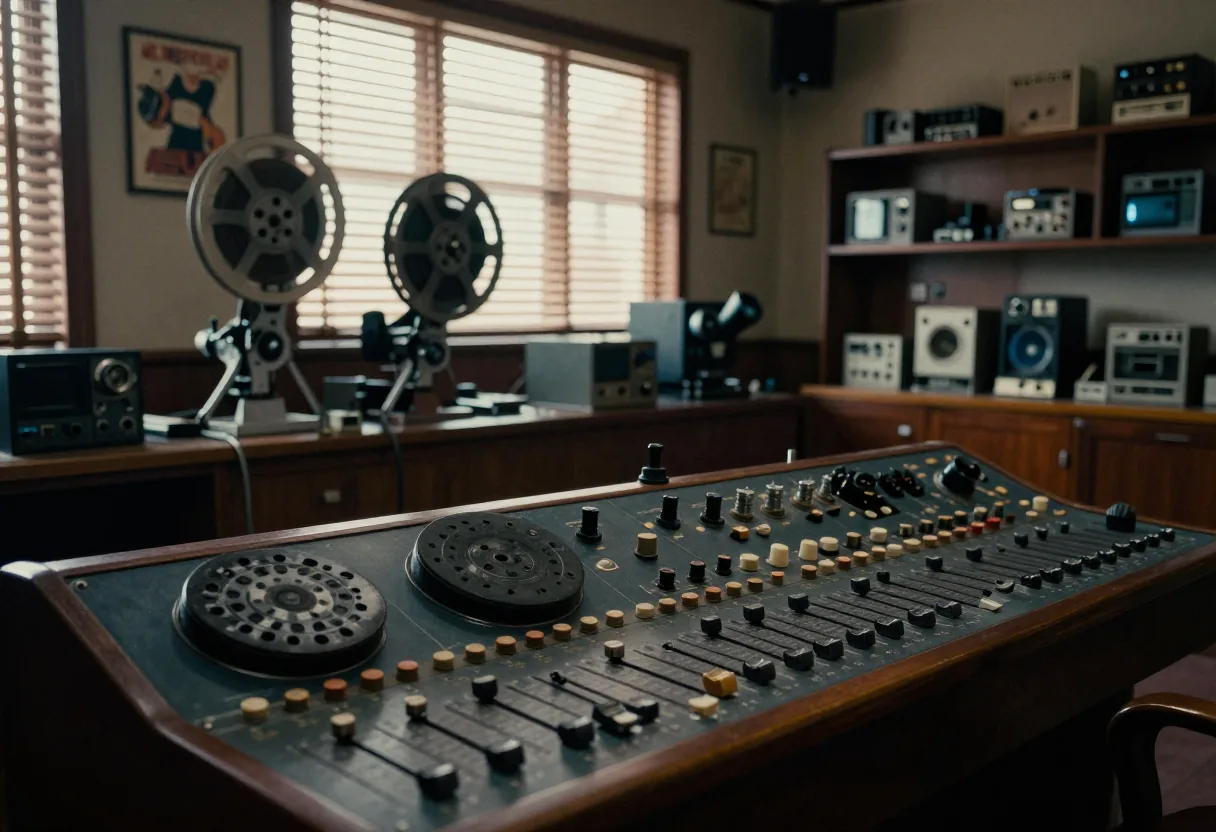
Being an AV (audio visual) tech can be a rewarding career for those who enjoy combining technical skills with a creative touch. This role involves setting up and maintaining equipment for live events, such as concerts, conferences, and theater productions, ensuring that everything runs smoothly during performances.
AV technicians typically need a strong understanding of both hardware and software. They often work with complex systems, including soundboards, lighting controls, and video projection equipment. For example, a technician at a major concert venue might use a digital audio workstation to manage sound levels and a lighting console to coordinate stage effects. The role can be demanding, as it requires troubleshooting under pressure and adapting to different event requirements.
According to the U.S. Bureau of Labor Statistics, employment for AV technicians is projected to grow by 6 percent from 2022 to 2032. This growth is driven by the increasing demand for live events and the integration of advanced technology in various industries. Salaries can vary widely depending on experience and location, but the median annual wage for AV technicians was around a typical market rate in 2022. Those who specialize in high-demand areas, such as virtual reality or large-scale event production, often command higher salaries.
What are the highest paying visual arts careers?
The highest paying visual arts careers typically involve specialized skills and experience in high-demand fields. These roles often require advanced education and a strong portfolio to showcase talent.
For example, art directors in advertising and media can earn substantial salaries, particularly those who work for major agencies or production studios. Their responsibilities include overseeing the visual style and imagery of campaigns, ensuring that all elements align with the brand’s vision. According to the U.S. Bureau of Labor Statistics, the median annual wage for art directors was around a typical market rate in 2022, with the top 10 percent earning more than a typical market rate.
Another high-paying career is that of a multimedia artist or animator. These professionals create animation, visual effects, and other visual images using film, video, or computer software. The median annual wage for multimedia artists and animators was around a typical market rate in 2022, with those in the top 10 percent earning over a typical market rate. The demand for these skills is driven by the growth of streaming services, video games, and digital marketing.
What jobs can you get with a communication arts degree?
A communication arts degree opens doors to a variety of careers in media, advertising, public relations, and digital content creation. This degree program typically covers topics like journalism, broadcasting, graphic design, and digital marketing, providing students with a broad skill set.
Graduates with a communication arts degree often pursue roles such as public relations specialists, who manage the public image of organizations and create media releases. According to the U.S. Bureau of Labor Statistics, the median annual wage for public relations specialists was around a typical market rate in 2022. Another popular career path is digital marketing, where professionals develop and implement campaigns to promote products or services online. The median annual wage for digital marketing specialists was around a typical market rate in 2022.
For those interested in storytelling, a degree in communication arts can lead to careers in journalism or broadcasting. Journalists research, write, and report news stories for newspapers, magazines, television, or radio. The median annual wage for reporters and correspondents was around a typical market rate in 2022. Broadcasters, on the other hand, work in front of or behind the camera to produce news programs, talk shows, or sports events. The median annual wage for broadcast news analysts was around a typical market rate in 2022.
How do you succeed in a career in arts audio visual technology and communications?
To succeed in a career in arts audio visual technology and communications, you should focus on building both technical skills and a strong creative portfolio. This field values hands-on experience and continuous learning, as technology and trends evolve rapidly.
To do this, start by gaining a solid educational foundation. Many colleges and universities offer programs in digital arts, multimedia production, and communication design. For example, the CFISD Visual and Performing Arts Center: Overview at the CFISD Visual and Performing Arts Center provides comprehensive training in various aspects of AV technology. Additionally, online platforms like Coursera and LinkedIn Learning offer courses in specific software and techniques, such as Adobe Creative Suite and video editing.
Networking is another crucial aspect of success in this field. Attend industry conferences, join professional organizations like the National Association for the Education of Young Children, and participate in online forums to connect with peers and mentors. Building relationships with professionals in the industry can lead to job opportunities and collaborations. For example, the HCC Central Performing and Visual Arts: Campus Guide offers resources and events that can help you network with industry experts and gain valuable insights into the latest trends and technologies.
Continuous learning is essential to stay competitive in this rapidly changing field. Keep up with the latest software updates, attend workshops, and consider pursuing certifications to enhance your skills. For instance, the Visual Arts Building: Architecture and Purpose often hosts workshops and seminars on emerging technologies in AV production. By staying informed and adaptable, you can position yourself for long-term success in arts audio visual technology and communications.
What are the fastest growing jobs in arts audio visual technology and communications?
The fastest growing jobs in arts audio visual technology and communications are driven by technological advancements and the increasing demand for digital content. These roles often require specialized skills and a keen understanding of emerging trends.
One of the fastest growing jobs in this field is that of a video editor. With the rise of streaming services and digital platforms, the demand for skilled video editors has skyrocketed. Video editors use software like Final Cut Pro and Adobe Premiere Pro to assemble raw footage into polished final products. According to the U.S. Bureau of Labor Statistics, employment for video editors is projected to grow by 14 percent from 2022 to 2032, much faster than the average for all occupations.
Another rapidly growing role is that of a multimedia artist or animator. These professionals create animation, visual effects, and other visual images using computer software. The demand for multimedia artists and animators is driven by the growth of video games, virtual reality, and digital marketing. The median annual wage for multimedia artists and animators was around a typical market rate in 2022, with those in the top 10 percent earning over a typical market rate.
Key resources for careers in arts, audio visual technology, and communications include online platforms, industry publications, and professional networks.
Key resources for careers in arts audio visual technology and communications include educational programs, industry associations, and online platforms. These resources offer valuable information, training, and networking opportunities to guide you through the field.
HCC Central Performing Visual Arts Campus Guide features a range of programs and resources for students interested in AV technology and communications. The campus provides state-of-the-art facilities and expert instruction in areas like film production, graphic design, and digital media. Additionally, the Visual Arts Building: Architecture and Purpose hosts workshops, seminars, and exhibitions that showcase the latest trends and technologies in the industry.
Online platforms like Coursera and LinkedIn Learning offer courses and certifications in specific software and techniques, such as Adobe Creative Suite and video editing. These platforms provide flexible learning options, allowing you to gain new skills at your own pace. Industry associations like the National Association for the Education of Young Children offer networking opportunities and resources to help you connect with professionals in the field.
By leveraging these resources, you can gain the knowledge and skills needed to succeed in arts audio visual technology and communications. Whether you’re just starting out or looking to advance your career, these resources can provide the support and guidance you need to achieve your goals.
What certifications are available in arts audio visual technology and communications?
Certifications in arts audio visual technology and communications can enhance your credentials and demonstrate your expertise to potential employers. These certifications often focus on specific software, technologies, or industry standards.
Adobe’s Creative Suite includes certifications for Photoshop, Illustrator, and Premiere Pro. These certifications validate your skills in digital design and video editing, making you a more competitive candidate in the job market. Similarly, Avid offers certifications for its Media Composer software, which is widely used in film and television production. These certifications demonstrate your proficiency in editing and post-production workflows.
In my experience, certifications can be particularly valuable for those entering the field or looking to specialize in a specific area. For instance, a certification in virtual reality development can open doors to high-demand roles in gaming and digital marketing. By staying up-to-date with the latest certifications and industry trends, you can position yourself for success in arts audio visual technology and communications.
| Certification | Focus Area | Issuing Organization |
|---|---|---|
| Adobe Certified Professional | Digital Design and Video Editing | Adobe |
| Avid Certified User | Film and Television Production | Avid |
| Certified Media Professional | Media Management and Distribution | Certified Media Professionals Association |
What are the sub-clusters within arts audio visual technology and communications?
Arts audio visual technology and communications sub-clusters encompass specialized areas that cater to different aspects of media production, visual arts, and communication design. These sub-clusters offer diverse career paths and opportunities for specialization.
One of the key sub-clusters is visual arts and design, which includes roles like graphic designers, illustrators, and multimedia artists. These professionals create visual content for various media, including print, digital, and advertising. For example, a graphic designer might work on branding projects for a company, creating logos and marketing materials using software like Adobe Illustrator.
Audio and video technology is an important sub-cluster focusing on the technical aspects of media production. This includes roles like sound engineers, video editors, and broadcast technicians. Sound engineers, for instance, work on recording and mixing audio for films, music, and live events. Video editors use software like Final Cut Pro to assemble and edit footage for television, film, and digital platforms.
| Sub-Cluster | Key Roles | Example Specializations |
|---|---|---|
| Visual Arts and Design | Graphic Designers, Illustrators, Multimedia Artists | Branding, Digital Illustration, Motion Graphics |
| Audio and Video Technology | Sound Engineers, Video Editors, Broadcast Technicians | Sound Mixing, Video Editing, Live Event Production |
| Communication Design | Digital Marketers, Public Relations Specialists, Journalists | Social Media Management, Media Relations, News Reporting |
By examining these sub-clusters, you can identify the areas that match your interests and skills. Whether you’re attracted to the creative aspects of visual arts or the technical challenges of audio and video production, there are numerous opportunities to build a fulfilling career in arts audio visual technology and communications.
As you consider your options, think about the specific roles and specializations that resonate with you. For example, if you enjoy storytelling, you might explore careers in journalism or broadcasting. If you have a passion for design, you could pursue roles in graphic design or digital illustration. By focusing on your strengths and interests, you can find a path that offers both personal fulfillment and professional growth.
Frequently asked questions
What are the arts and entertainment?
Arts and entertainment encompass creative expressions and activities designed to engage, inspire, or amuse audiences. This broad category includes visual arts like painting and sculpture, performing arts such as theater and dance, and entertainment mediums like music, film, and television.
What are 5 examples of entertainment?
Five common examples of entertainment include movies, concerts, video games, sports events, and stand-up comedy shows. Each offers a unique way for audiences to relax, enjoy, and connect with others.
What is the meaning of arts and entertainment?
Arts and entertainment refer to activities and products that provide cultural enrichment and leisure. They serve to express ideas, emotions, and stories, while also offering enjoyment and escapism. This dual purpose makes them integral to human experience.
What is 3 Arts Entertainment 2026?
3 Arts Entertainment 2026 is a projected initiative or event by 3 Arts Entertainment, a production company known for creating and distributing content across various media platforms. Details about specific projects or plans for 2026 are not yet publicly available.