The music of Hawnay Troof: electro-punk and beyond
What Hawnay Troof sounds like
The music of Hawnay Troof is best described as electro-punk: home-made electronic pop with the energy and irreverence of punk, pulling in dance, soul, noise and hip-hop along the way.
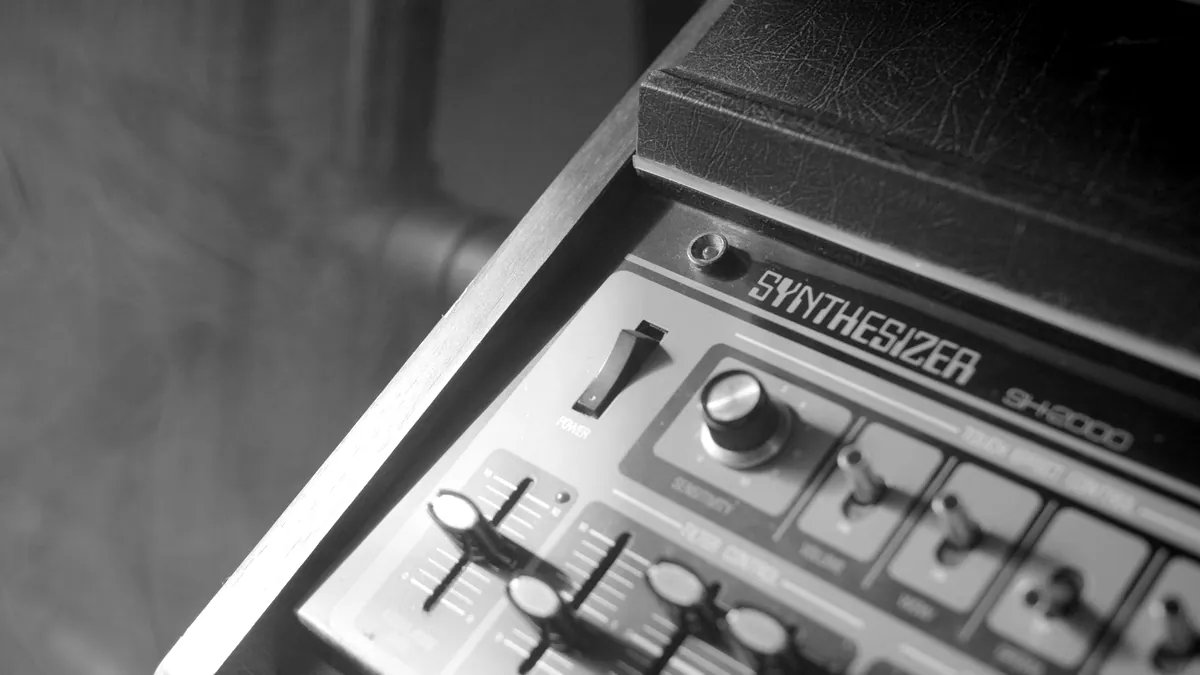
It is restless, maximal and unmistakably the product of one person following an idea wherever it led.
A genre blender
Critics and databases have reached for a long list of tags to pin the sound down, among them electronic, indie rock, pop, dance-punk, electronica, soul, noise and club. That the labels pile up so quickly is the point. Rather than settle into one lane, the records move between styles within a single song, splicing a drum-machine beat to a shouted vocal, a sugary hook to a burst of static. The punk inheritance is audible in the attitude and the speed; the electronic side comes from the tools, since the project was built on software, samplers and drum machines rather than a live band.
Influences and attitude
The sensibility owes something to sleazy lounge music and to the playful, sample-hungry hip-hop of acts like the Beastie Boys, filtered through a do-it-yourself electronic underground. What holds it together is not a genre but a temperament: fast, funny, a little chaotic, and happy to sound home-made. That approach connects directly to the project's origins, described on the biography page, where the first songs were reportedly written in a single day for an unplanned, improvised set.
How the sound developed
Across four albums the production grew denser and more ambitious without abandoning the bedroom-studio spirit. The early work is closer to lo-fi electronic pop; the mid-period double album pushed toward excess and sheer volume of material; and the later records tightened the songwriting while keeping the genre-hopping intact. The discography traces that arc release by release.
Critical reception
The project's strongest reviews came with its 2008 album, which the independent music press received warmly. Islands of Ayle earned a favourable 7.5 review from Pitchfork and enthusiastic notices elsewhere, and it appeared on at least one well-known artist's list of the year's best records, having been named among Ladytron's favourites. For an act working entirely outside the mainstream, that level of attention marked a clear peak and helped bring the music to listeners beyond the immediate underground scene.
Videos and wider notice
Attention was not limited to the records. The video for the track "Connection" did notably well on music television, reported as the number two independent video of the year on MTV2 in 2008 and topping the MTVU chart the following year. The project also picked up mentions from figures across the musical spectrum: the punk musician and broadcaster Henry Rollins featured Hawnay Troof on his radio programme in 2007, and acts such as the Mae Shi, High Places and Ladytron have cited or championed the work. That spread of recognition, from underground peers to television rotation, is unusual for a home-recorded solo project and speaks to how far the music travelled.
Reception, in brief
The 2008 album Islands of Ayle drew the project's most positive reviews, including a favourable Pitchfork score and a place on a notable year-end list, and is the record most often recommended as a starting point.
Summarised from published reviewsWhere to hear it
This reference hosts no audio and reproduces no lyrics or artwork. Readers who want to listen should seek out the artist's official releases through established streaming services and music databases, and can read about the wider career, including production and video work, on the collaborations page.