
Cantor Center For Visual Arts Guide: Cantor Center For Visual
Megan Coleman · on 02 August 2026 · 10 min read · Last reviewed 02 August 2026
Cantor Center for Visual Arts Guide
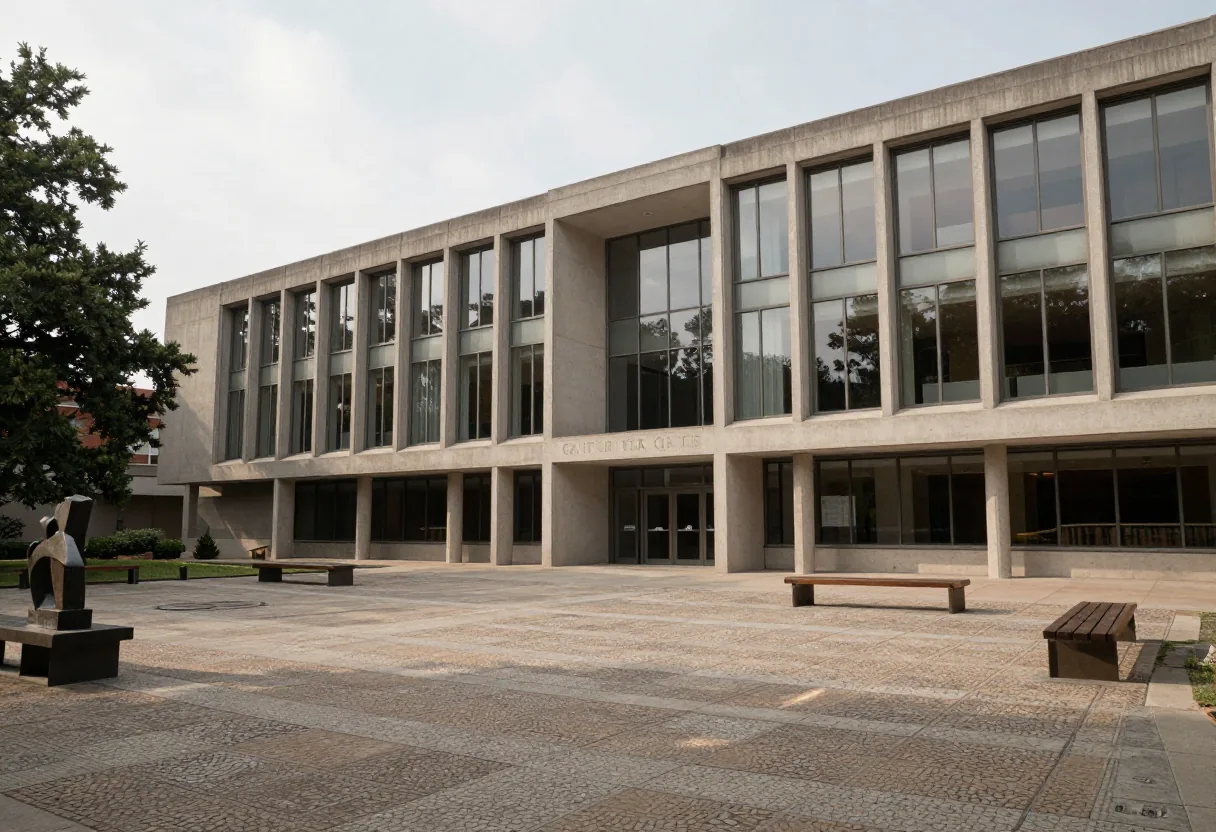
The cantor center for visual arts guide provides information about this art museum located on the campus of Stanford University in Stanford, California, United States.
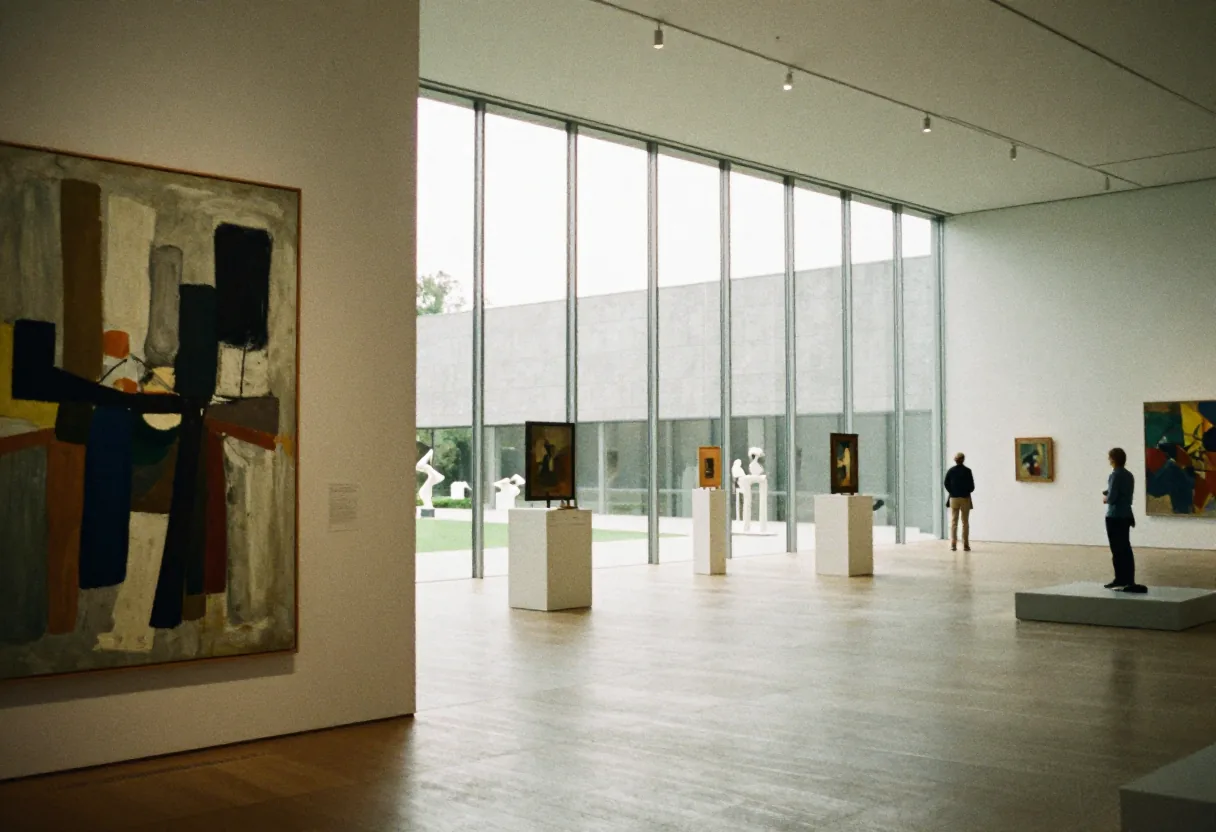
The Cantor Center for Visual Arts houses a diverse collection of artworks spanning various periods, cultures, and media, serving as a hub for both academic exploration and public engagement.
- The museum holds over 35,000 works of art from around the world.
- It is known for its extensive collection of European paintings, including works by Rembrandt and Claude Monet.
- The center also features contemporary art installations and sculptures from renowned artists.
- According to the Cantor Arts Center, it hosts approximately 150,000 visitors annually, making it one of the most visited university art museums in the United States.
What are the arts and entertainment?
Arts and entertainment encompass a broad spectrum of creative expressions designed to engage, educate, and entertain audiences.
From visual arts and theater to music and film, these disciplines serve as both cultural reflections and sources of enjoyment.
What are 5 examples of entertainment?
Entertainment includes a variety of forms, such as movies, concerts, theater performances, television shows, and video games.
For instance, Hollywood films like The Godfather have left a lasting impact on global cinema, while Broadway productions like Hamilton have redefined musical theater. Video games like The Legend of Zelda: Breath of the Wild offer immersive storytelling and gameplay.
What is the meaning of arts and entertainment?
Arts and entertainment signify the intersection of creativity and public engagement, where artists express their visions and audiences find enjoyment and inspiration.
This intersection fosters cultural dialogue and personal enrichment, making it a vital part of society.
The Cantor Center for Visual Arts: Collection Overview
European art, Asian art, American art, and contemporary works comprise the impressive collection at the Cantor Center for Visual Arts.
Visitors can explore masterpieces from the Renaissance period alongside modern installations, offering a comprehensive journey through art history.
European Art Collection
Cantor Center’s European art collection spans 15th to 19th centuries, showcasing artists like Rembrandt and Claude Monet.
For example, Rembrandt’s Portrait of a Man with Arms Akimbo showcases the artist’s mastery of light and shadow.
Asian Art Collection
Spanning ancient to contemporary artworks, the Asian art collection features pieces from China, Japan, and India.
This collection includes sculptures, ceramics, and paintings, such as a 12th-century Japanese woodblock print that exemplifies traditional techniques.
American Art Collection
American art collection showcases works from the 19th and 20th centuries, including pieces by Winslow Homer and Georgia O’Keeffe.
Homer’s Snap the Whip captures the essence of American rural life in the late 19th century.
Contemporary Art Collection
Contemporary art collection features installations and sculptures from internationally renowned artists.
For instance, Yayoi Kusama’s Infinity Mirror Room offers an immersive experience with its reflective surfaces and LED lights.
Arts and Entertainment Network
The arts and entertainment network refers to the interconnected system of institutions, artists, and audiences that support and engage with creative works.
This network includes museums, galleries, theaters, and festivals, all contributing to the vibrant ecosystem of cultural expression.
Arts and Entertainment Artists
Artists in the arts and entertainment field range from painters and sculptors to musicians, actors, and directors.
For example, Pablo Picasso revolutionized painting with his Cubist style, while Meryl Streep has left an indelible mark on the film industry with her acting prowess.
Arts and Entertainment News
Arts and entertainment news covers exhibitions, premieres, awards, and trends in the creative industries.
For instance, the Venice Biennale is a major event where contemporary artists showcase their works, attracting global attention.
Arts and Entertainment Management
Arts and entertainment management involves the administration, marketing, and fundraising efforts required to sustain cultural institutions.
Effective management ensures that museums, theaters, and galleries can continue to offer enriching experiences to the public.
Arts and Entertainment Jobs
Jobs in the arts and entertainment sector include roles such as curators, producers, artists, and technicians.
For example, a museum curator is responsible for acquiring, preserving, and exhibiting artworks, while a theater producer oversees the staging of plays and musicals.
Arts and Entertainment Industry
The arts and entertainment industry is a significant economic driver, contributing to tourism, education, and cultural exchange.
This industry encompasses a wide range of activities, from film production to live performances, all of which contribute to the cultural fabric of society.
Exhibitions and Access
The Cantor Center for Visual Arts hosts a variety of exhibitions throughout the year, providing visitors with access to both permanent and rotating collections.
For example, the museum’s special exhibitions often feature works from internationally acclaimed artists, offering a unique opportunity for visitors to engage with contemporary art.
Facilities and Programs
The Cantor Center for Visual Arts offers a range of educational programs, tours, and workshops designed to enhance visitors’ understanding and appreciation of art.
These programs cater to students, educators, and art enthusiasts, providing a comprehensive learning experience.
In my experience, the museum’s family-friendly workshops are particularly engaging, offering hands-on activities that inspire creativity in children and adults alike.
See also
For more information on visual arts and cultural institutions, explore the Virginia Visual Arts Center and the First Center for the Visual Arts.
These institutions offer unique perspectives on art and provide valuable resources for both scholars and enthusiasts.
From the wires
Stay updated with the latest news and trends in the arts and entertainment world by following The New York Times Arts section and BBC Culture.
These sources provide insightful coverage of exhibitions, performances, and cultural events from around the globe.
| Art Collection | Period | Notable Artists |
|---|---|---|
| European Art | 15th to 19th centuries | Rembrandt, Claude Monet |
| Asian Art | Ancient to contemporary | Japanese woodblock print artists |
| American Art | 19th and 20th centuries | Winslow Homer, Georgia O’Keeffe |
| Contemporary Art | 20th to 21st centuries | Yayoi Kusama |
| Arts and Entertainment Roles | Responsibilities |
|---|---|
| Curator | Acquiring, preserving, and exhibiting artworks |
| Theater Producer | Overseeing the staging of plays and musicals |
| Museum Educator | Developing educational programs and tours |
| Art Technician | Maintaining and installing artworks |
- Research the museum’s current exhibitions and special events.
- Plan your visit by checking the museum’s hours and admission policies.
- Participate in educational programs and workshops to deepen your understanding of art.
- Explore the museum’s online resources and digital collections for additional insights.
The Cantor Center for Visual Arts offers a rich and diverse collection that caters to a wide range of artistic interests, making it a must-visit destination for art enthusiasts and casual visitors alike.
Cantor Center for Visual Arts: Educational Outreach
Educational outreach programs at the Cantor Center for Visual Arts are designed to engage students and educators through interactive and immersive learning experiences.
These programs aim to foster a deeper appreciation for art and its cultural significance, providing resources and activities that align with educational standards.
School Programs
The museum offers guided tours and workshops tailored for K-12 students, focusing on various art movements and techniques.
For instance, the Art Explorers program allows elementary school students to explore different art mediums through hands-on activities, such as creating their own watercolor paintings inspired by Monet.
University Collaborations
The Cantor Center collaborates with Stanford University and other academic institutions to develop research opportunities and curatorial internships for students.
These collaborations provide students with real-world experience in art conservation, exhibition planning, and public programming.
Public Lectures and Workshops
The museum hosts public lectures by renowned artists and scholars, offering insights into current trends and historical perspectives in the art world.
For example, the Art and Ideas lecture series features discussions on topics like the impact of technology on contemporary art, with speakers from institutions like the Smithsonian Institution.
Digital Resources
The Cantor Center provides online educational resources, including virtual tours, lesson plans, and interactive activities, accessible via its website.
These resources are designed to support remote learning and provide additional materials for educators to use in their classrooms.
Cantor Center for Visual Arts: Community Engagement
Community engagement initiatives at the Cantor Center for Visual Arts aim to make art accessible and relevant to diverse audiences.
These efforts include partnerships with local organizations, free admission days, and community-focused events that celebrate cultural diversity.
Partnerships with Local Organizations
The museum collaborates with local schools, community centers, and nonprofit organizations to develop programs that address the unique needs and interests of the community.
For example, the Art for All program partners with the San Francisco Arts Commission to provide free art classes and workshops for underserved youth in the Bay Area.
Free Admission Days
The Cantor Center offers free admission days throughout the year, allowing the public to explore its collections without financial barriers.
According to the museum, these free admission days attract a diverse range of visitors, including families, students, and seniors, fostering a more inclusive art community.
Community Events
The museum hosts community events, such as art festivals, cultural celebrations, and family days, that showcase the work of local artists and provide opportunities for community members to engage with art.
For instance, the Stanford Arts Fest features live performances, art demonstrations, and interactive installations, drawing thousands of visitors each year.
Volunteer Programs
The Cantor Center offers volunteer programs for individuals interested in supporting the museum’s mission and gaining hands-on experience in the arts.
Volunteers can assist with visitor services, educational programs, and special events, contributing to the overall operations and success of the museum.
| Educational Programs | Target Audience | Key Features |
|---|---|---|
| Art Explorers | Elementary School Students | Hands-on activities, watercolor painting, guided tours |
| University Internships | College Students | Art conservation, exhibition planning, research opportunities |
| Art and Ideas Lecture Series | General Public | Expert speakers, current trends, historical perspectives |
| Online Resources | Educators and Students | Virtual tours, lesson plans, interactive activities |
Cantor Center for Visual Arts: Crafts and Media
The Cantor Center for Visual Arts showcases a wide array of crafts and media, highlighting the diverse techniques and materials used by artists throughout history.
From traditional crafts to modern media, the museum’s collections offer a comprehensive view of artistic innovation and skill.
Traditional Crafts
The museum features traditional crafts, such as woodblock printing, ceramics, and textile arts, from various cultures and time periods.
For example, the Japanese woodblock prints in the collection demonstrate the intricate carving and printing techniques that have been perfected over centuries.
Contemporary Media
The Cantor Center also showcases contemporary media, including digital art, video installations, and interactive exhibits.
These works often explore themes of technology, identity, and social issues, reflecting the evolving landscape of modern art.
Sculpture and Installations
The museum’s sculpture and installation collections include works made from metal, stone, glass, and mixed media.
For instance, Richard Serra’s Torqued Ellipses series, featuring large-scale steel sculptures, invites viewers to engage with the physical space and their own perceptions.
Photography
The photography collection at the Cantor Center spans historical and contemporary works, showcasing the evolution of the medium.
This collection includes pieces by Ansel Adams, known for his iconic black-and-white landscapes, and Dorothea Lange, whose photographs captured the human impact of the Great Depression.
| Media and Crafts | Examples | Notable Artworks |
|---|---|---|
| Woodblock Printing | Japanese woodblock prints | 12th-century Japanese woodblock print |
| Digital Art | Video installations | Yayoi Kusama’s Infinity Mirror Room |
| Sculpture | Metal, stone, glass | Richard Serra’s Torqued Ellipses |
| Photography | Historical and contemporary | Ansel Adams’s black-and-white landscapes |
The Cantor Center for Visual Arts is committed to fostering a deeper appreciation for art through its educational outreach and community engagement initiatives, making it a vital cultural resource for both local and international audiences.
Frequently asked questions
What makes the Cantor Center for Visual Arts collection distinctive?
The Cantor Center for Visual Arts boasts over 45,000 works spanning 5,000 years. Its collection includes European paintings, sculpture, photography, and decorative arts. Highlights feature works by Rembrandt, Monet, and Rodin. The museum emphasizes depth in American art, particularly California artists like David Park and Richard Diebenkorn.
How does the Cantor Center for Visual Arts engage with contemporary art?
The museum regularly showcases contemporary art through rotating exhibitions and acquisitions. Recent additions include works by Julie Mehretu and Kara Walker. The Cantor also collaborates with Stanford University's art department to present student and faculty exhibitions. These efforts ensure the collection remains dynamic and relevant.
Are there notable outdoor art installations at the Cantor Center?
Yes, the museum's outdoor spaces feature significant installations. Alexander Calder's "Flamingo" (1973) is a prominent example. Additionally, the sculpture garden includes pieces by Henry Moore and Louise Nevelson. These works enhance the museum's connection to the Stanford campus and provide an immersive experience.
What educational programs does the Cantor Center for Visual Arts offer?
The Cantor provides diverse educational programs, including guided tours, lectures, and workshops. School groups benefit from tailored programs that align with curriculum standards. The museum also hosts family-friendly events and artist talks. These initiatives aim to make art accessible and engaging for all visitors.
See also: First Center For The Visual Arts Guide: First Center For The.
Related Reading
- Virginia Visual Arts Center Guide: Virginia Visual Arts
- Visual Arts Of Richmond Guide: Visual Arts Of Richmond