
Arts and Crafts Activities for Preschoolers: Fun and Learning
Megan Coleman · on 02 August 2026 · 12 min read · Last reviewed 02 August 2026
Arts and crafts activities for preschoolers are hands-on projects designed to foster creativity, fine motor skills, and cognitive development in children aged 3 to 5. These activities combine fun and learning, using simple materials to create engaging experiences.
For young children, arts and crafts are more than just play, they are a fundamental part of early childhood education. Activities like collaging, sculpting, and painting help preschoolers explore colors, shapes, and textures while developing critical skills.
- Preschoolers typically engage in arts and crafts for 15-30 minutes at a time, with activities tailored to their attention spans.
- According to the National Association for the Education of Young Children, arts and crafts activities help improve fine motor skills, hand-eye coordination, and problem-solving abilities.
- Common materials used include construction paper, glue, crayons, paint, and recycled household items.
- Open-ended projects, such as collages or free drawing, encourage creativity and self-expression.
Simple arts and crafts activities for preschoolers
Simple arts and crafts activities for preschoolers include projects that require minimal setup and supervision, such as coloring, sticker art, or paper plate crafts. These activities are ideal for introducing young children to basic artistic concepts.
To keep activities simple, start with familiar materials like crayons, markers, and pre-cut shapes. For example, a paper plate animal craft involves gluing on googly eyes, ears, and other features to create a fun, personalized animal. This type of project teaches shape recognition and encourages imaginative play.
Another easy activity is finger painting, which allows preschoolers to explore color mixing and texture. Use washable, non-toxic paint to avoid mess and ensure safety. The first time I tried finger painting with a preschool class, the children were fascinated by the sensation of paint on their fingers and the vibrant colors they created.
Easy preschool craft ideas
Easy preschool craft ideas often involve everyday materials found at home, such as paper, cardboard, and glue. These crafts are designed to be simple yet engaging, helping children develop creativity and fine motor skills.
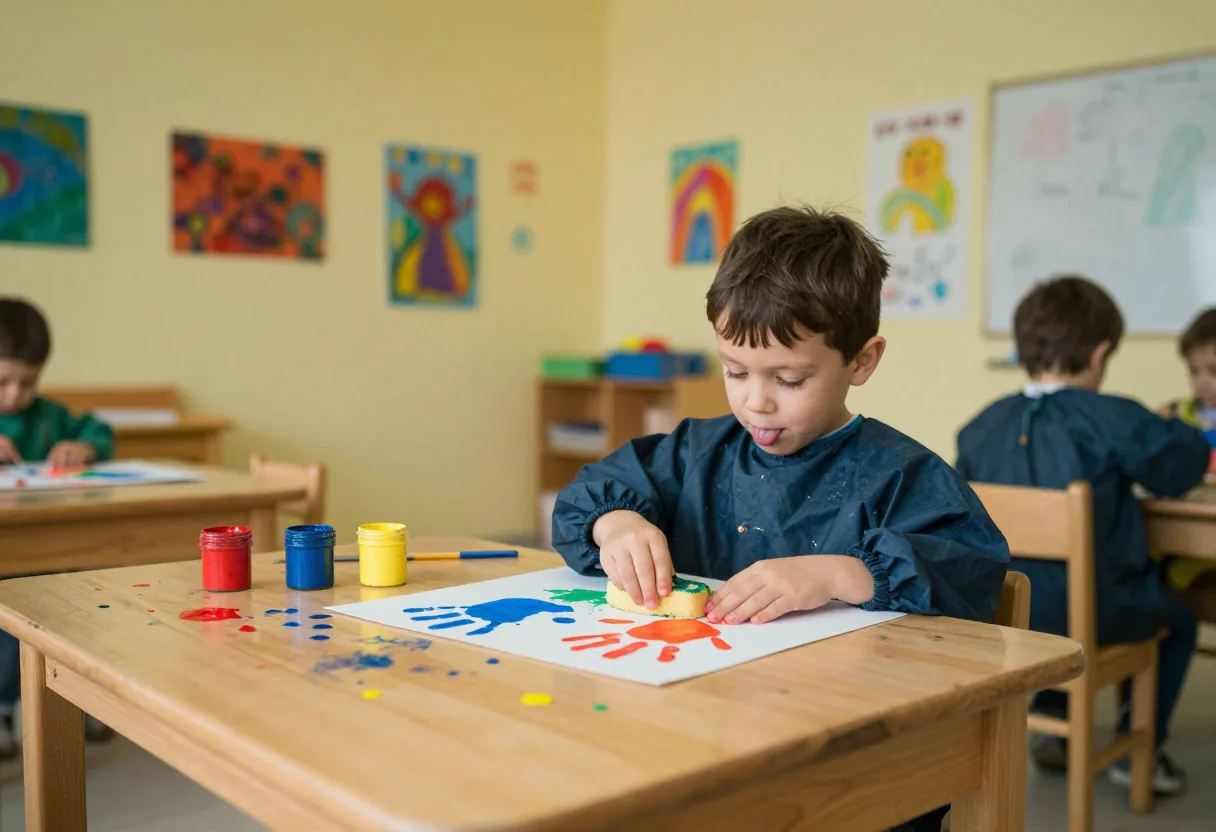
One popular craft is making handprint art, where preschoolers dip their hands in paint and press them onto paper to create animals, flowers, or abstract designs. This activity not only produces a keepsake but also teaches children about shapes and symmetry.
Another easy idea is creating a collage using magazine cutouts, fabric scraps, or dried leaves. Children can arrange these materials on paper to create a scene or abstract design. Collaging encourages decision-making and fine motor control as they manipulate small pieces.
Free arts and crafts activities for preschoolers
Free arts and crafts activities for preschoolers can be found online through educational websites, Pinterest, and teacher resource platforms. These activities often use low-cost or recycled materials, making them accessible for all families.
For example, websites like Visual Arts Classes: Curriculum and Enrollment offer free printable templates for crafts such as Finish-the-Picture Art Prompts, where children complete a partially drawn scene with their own creative touches. These prompts encourage storytelling and imagination.
Wet chalk on black paper creates vibrant, bold lines. This technique is simple but visually striking, and it helps children practice control and precision with their drawing.
Art activities for 3-4 year olds
Art activities for 3-4 year olds focus on developing fine motor skills, color recognition, and creativity. These activities are designed to be age-appropriate, with simple instructions and safe materials.
One effective activity is using Kwik Sticks, a type of adhesive-free craft stick that allows children to create designs by sticking the sticks together. This tool helps improve hand strength and coordination, and it can be used to make shapes, animals, or even simple structures.
Contrast coloring involves children coloring a black-and-white image using only two colors. This exercise helps them understand color theory and practice staying within the lines. According to the Fine Arts Meaning: Educational Foundations, such activities also enhance focus and patience.
Preschool art activities printable
Preschool art activities printable include templates and worksheets that guide children through structured crafts. These printables can be downloaded from educational websites or purchased as part of a curriculum.
Contact Paper Suncatchers are a popular printable activity where children arrange tissue paper or leaves on contact paper to create a translucent suncatcher. This project teaches color mixing and pattern recognition while producing a beautiful decoration.
The Categories of Visual Arts: Classroom Integration offers a variety of printable art activities, including finish-the-picture prompts and shape-based crafts. These resources are designed to be easy to use and align with early childhood education standards.
DIY arts and crafts activities for preschoolers
DIY arts and crafts activities for preschoolers use household items to create engaging projects. These activities encourage resourcefulness and creativity while keeping costs low.
This activity introduces basic nutrition concepts and helps develop scissor skills. One DIY idea is making a “What’s for Lunch?” collage, where children cut out pictures of food from magazines or printouts and arrange them on a paper plate.
Sculpting with clay is another DIY project that can be made at home using flour, water, and salt. Preschoolers can shape the clay into animals, vehicles, or abstract forms, practicing fine motor control and imaginative play.
Art activities for preschoolers Pinterest
Art activities for preschoolers on Pinterest feature a wide range of ideas shared by teachers, parents, and caregivers. These activities are often visually appealing and easy to replicate at home.
Pinterest provides tutorials for creating open-ended art activities using materials like dot markers or watercolors. Dot marker art, in particular, is a mess-free way for preschoolers to explore color and pattern.
These activities allow children to experiment with texture and movement while developing sensory skills. Another popular Pinterest idea is creating messy(er) open-ended art activities, such as finger painting or splatter painting.
No-Mess Open Ended Art Activities for Preschoolers
No-Mess Open Ended Art Activities for Preschoolers are designed to minimize cleanup while encouraging creativity. These activities use materials that are easy to contain and clean up, such as stickers, dot markers, or pre-cut shapes.
Dot markers are simple to use and provide a tactile experience without the mess of paint. One no-mess activity is using dot markers to create patterns or images on paper. This activity helps preschoolers practice hand-eye coordination and color recognition.
Children can arrange tissue paper, leaves, or other lightweight items on the contact paper to create a suncatcher that sticks to windows. Another option is Contact Paper Suncatchers, which use static cling to hold materials in place without glue.
Wet Chalk on Black Paper
Wet Chalk on Black Paper is an art activity that uses chalk and water to create vibrant, bold lines on black paper. This technique is simple yet visually striking, making it a favorite among preschoolers.
Preschoolers can use chalk sticks and water to draw on black paper, making bright, glossy lines. This activity helps children practice control and precision while experimenting with color intensity.
The dark background makes the colors pop, and the wet chalk creates a smooth, glossy finish that preschoolers enjoy. Wet chalk on black paper is particularly effective for teaching contrast and color theory.
Collages
Collages are art projects that involve assembling various materials onto a surface to create a cohesive design. This activity encourages creativity, fine motor skills, and decision-making.
To create a collage, provide preschoolers with a variety of materials such as magazine cutouts, fabric scraps, dried leaves, or buttons. They can arrange these materials on paper or cardboard to create a scene or abstract design. Glue sticks or liquid glue can be used to secure the materials in place.
Collaging is an excellent way for preschoolers to explore texture, color, and composition. The first time I introduced collaging to a preschool class, the children were fascinated by the tactile experience of arranging different materials and watching their design come to life.
Finish-the-Picture Art Prompts
Finish-the-Picture Art Prompts are printable templates that provide a partially completed drawing for preschoolers to complete. These prompts encourage creativity and storytelling while developing fine motor skills.
To use these prompts, print out a template featuring a partially drawn scene, such as a half-finished animal or landscape. Preschoolers can use crayons, markers, or paint to complete the picture, adding their own creative touches. This activity helps children practice staying within the lines and developing their own artistic style.
Finish-the-Picture Art Prompts are available on educational websites like Visual Arts Classes: Curriculum and Enrollment. These resources are designed to be easy to use and align with early childhood education standards.
What’s for Lunch?
What’s for Lunch? is a craft activity where preschoolers create a collage of food items using magazine cutouts or printouts. This project introduces basic nutrition concepts while developing fine motor skills and creativity.
To do this activity, provide preschoolers with a paper plate and a variety of food images cut from magazines or printed from the internet. They can arrange these images on the plate to create a “lunch” scene, gluing them in place with a glue stick or liquid glue. This activity encourages decision-making and hand-eye coordination as they manipulate the small pieces.
This project encourages creativity and teaches healthy eating habits. The Versus Arts: Comparative Learning Approaches shows why nutrition education should be part of early childhood activities.
Kwik Sticks
Kwik Sticks are a type of adhesive-free craft stick that allows preschoolers to create designs by sticking the sticks together. This tool helps improve hand strength and coordination while encouraging creativity.
To use Kwik Sticks, provide preschoolers with a set of sticks and a design template or let them create their own freeform design. They can arrange the sticks to make shapes, animals, or simple structures, practicing fine motor control and problem-solving skills. According to the Minimalism Visual Arts: Simplified Studio Projects, such activities also enhance spatial awareness and planning.
Kwik Sticks are available in various colors and sizes, making them a versatile tool for preschool art projects. The first time I introduced Kwik Sticks to a preschool class, the children were eager to experiment with different designs and structures.
Contrast Coloring
Contrast Coloring is an art activity where preschoolers color a black-and-white image using only two colors. This exercise helps them understand color theory and practice staying within the lines.
Provide preschoolers with a black-and-white coloring page and two crayons or markers in contrasting colors for this activity. They can color the image using only these two colors, seeing how the colors interact and create contrast. This activity improves focus and patience while developing fine motor skills.
Contrast coloring is a simple yet effective way to present these concepts to preschoolers. The Fine Arts Meaning: Educational Foundations highlights color theory’s role in early childhood education.
Contact Paper Suncatchers
Contact Paper Suncatchers are a craft activity where preschoolers arrange tissue paper or leaves on contact paper to create a translucent suncatcher. This project teaches color mixing and pattern recognition while producing a beautiful decoration.
To make a suncatcher, provide preschoolers with a sheet of contact paper and a variety of lightweight materials such as tissue paper, dried leaves, or sequins. They can arrange these materials on the sticky side of the contact paper, creating a design that can be hung in a window. This activity encourages creativity and fine motor control as they manipulate the small pieces.
These resources are designed to be easy to use and align with early childhood education standards. The Categories of Visual Arts: Classroom Integration offers a variety of printable art activities, including suncatcher templates.
Messy(er) Open Ended Art Activities
Messy(er) Open Ended Art Activities are designed to embrace the mess while encouraging creativity. These activities use materials that are fun to manipulate but may require more cleanup, such as finger paint or splatter paint.
This technique allows them to explore color mixing and texture while developing sensory skills. One messy activity is finger painting, where preschoolers use their fingers to apply paint to paper. Provide washable, non-toxic paint to ensure safety and easy cleanup.
This activity helps them practice control and coordination while creating a visually striking piece of art. Another messy option is splatter painting, where preschoolers dip a brush in paint and flick it onto paper to create a splatter effect.
Sculpting with Clay
Sculpting with Clay is an art activity where preschoolers shape clay into various forms, developing fine motor skills and creativity. Clay can be made at home using flour, water, and salt, making it an accessible and low-cost material.
To sculpt with clay, provide preschoolers with a ball of homemade or store-bought clay and let them shape it into animals, vehicles, or abstract forms. This activity encourages imaginative play and fine motor control as they manipulate the clay. According to the Categories of Visual Arts: Classroom Integration, sculpting also enhances spatial awareness and problem-solving skills.
The first time I introduced sculpting to a preschool class, the children were fascinated by the tactile experience of shaping the clay and watching their creations come to life.
Watercolors on Paper
Watercolors on Paper is an art activity where preschoolers use watercolor paints to create vibrant, translucent images on paper. This technique is simple yet effective, making it a favorite among young artists.
Preschoolers can use watercolors with a set of paints, a brush, and a cup of water. They paint on paper, mixing and blending colors. This activity helps them practice control and precision while developing their artistic style.
Watercolors are available in various forms, including tubes, pans, and liquid drops. The first time I introduced watercolors to a preschool class, the children were eager to experiment with different colors and techniques.
Do a Dot Marker Art
Do a Dot Marker Art is an art activity where preschoolers use dot markers to create patterns or images on paper. This technique is mess-free and simple, making it an excellent option for young children.
To create dot marker art, provide preschoolers with a set of dot markers and a piece of paper. They can use the markers to create patterns, shapes, or images, practicing fine motor control and color recognition. This activity enhances hand-eye coordination and creativity.
Dot markers come in various colors and sizes, making them a versatile tool for preschool art projects. The minimalism visual arts simplified studio projects show the value of using simple, effective materials in early childhood education.
When introducing arts and crafts activities for preschoolers, focus on simplicity, creativity, and safety. Choose projects that use easy-to-find materials and provide clear instructions. Encourage children to experiment and explore, fostering a love for art and learning.
Frequently asked questions
What are the arts and entertainment?
Arts and entertainment encompass creative activities and performances that engage, inspire, and amuse audiences. This includes visual arts like painting and sculpture, performing arts such as theater and dance, and entertainment like movies and music.
What are 5 examples of entertainment?
Five examples of entertainment are watching movies, attending concerts, playing video games, reading books, and participating in sports. These activities provide enjoyment and relaxation for people of all ages.
What is the meaning of arts and entertainment?
Arts and entertainment refer to the diverse forms of creative expression and leisure activities that people engage in for enjoyment and cultural enrichment. They include visual arts, performing arts, literature, and various forms of media.
What is 3 Arts Entertainment 2026?
3 Arts Entertainment is a production company known for creating high-quality theatrical experiences. While specific details about their 2026 projects are not yet available, the company typically produces innovative and engaging performances.
Related Reading
- Categories of Visual Arts: Classroom Integration: What to Know
- Visual Arts Classes: Curriculum and Enrollment: A Complete Guide