
Visual Arts Building: Architecture and Purpose

Megan Coleman · on 02 August 2026 · 9 min read · Last reviewed 02 August 2026
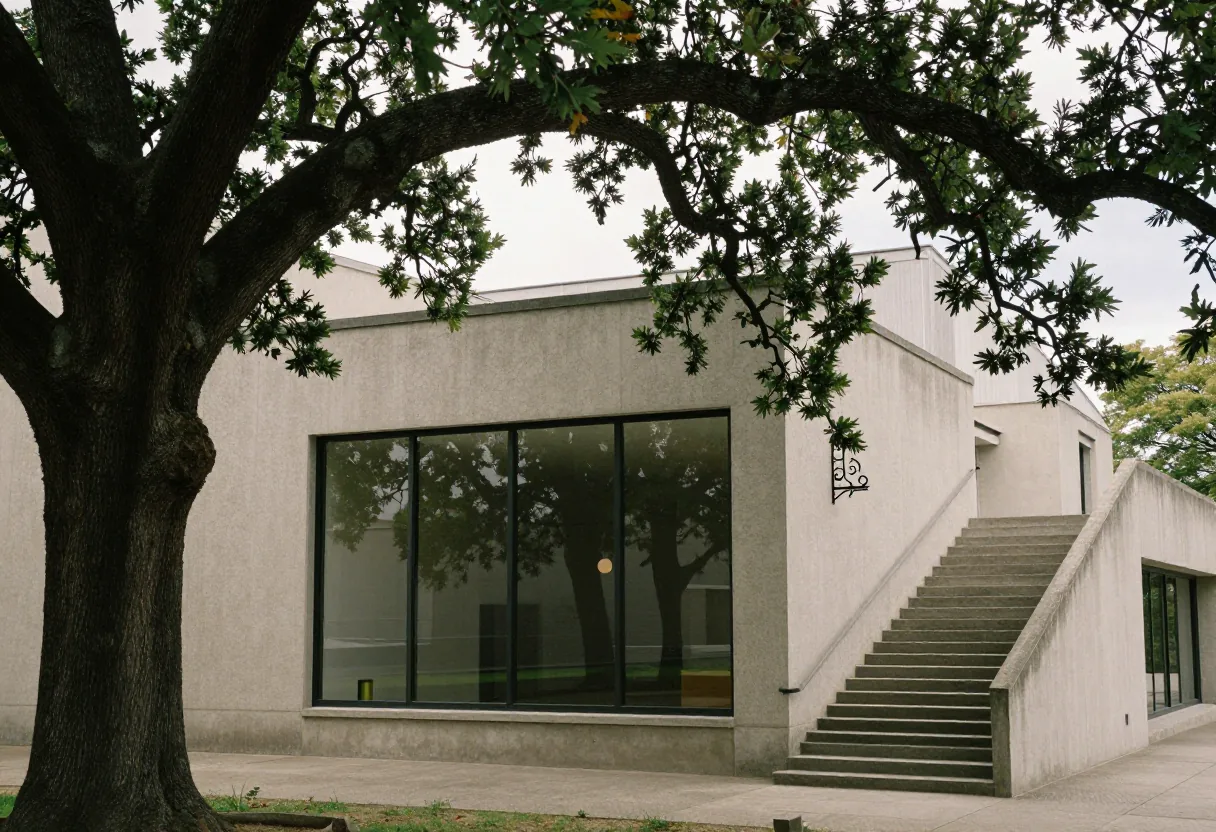
A visual arts building guide is a comprehensive resource designed to explore the architecture, purpose, and significance of structures dedicated to visual arts, such as galleries, museums, and studios.
This guide helps you understand how these buildings are designed to inspire creativity, house art collections, and facilitate artistic education.
- Visual arts buildings often feature open, flexible spaces to accommodate various types of art displays and events.
- Natural lighting is a critical element in these structures, enhancing the viewer’s experience and preserving artworks.
- Many visual arts buildings include educational facilities, such as classrooms and workshops, to support art programs.
- According to the National Endowment for the Arts, these buildings play a vital role in community engagement and cultural preservation.
Visual arts building guide to arts and entertainment
The arts and entertainment encompass a broad range of creative activities, including visual arts, performing arts, literature, and media, designed to inspire, educate, and entertain audiences.
This sector includes everything from painting and sculpture to theater, music, film, and digital media. The arts and entertainment industry is a significant economic driver, contributing to cultural identity and community development.
What are 5 examples of entertainment?
Five prominent examples of entertainment include movies, concerts, theater performances, art exhibitions, and television shows.
Movies, such as those produced by major studios like Pixar, offer immersive storytelling experiences. Concerts, featuring artists like Taylor Swift, bring music to life through live performances. Theater performances, including Broadway productions like Hamilton, showcase dramatic and musical talent. Art exhibitions, such as those at the Metropolitan Museum of Art, display a variety of visual arts. Television shows, like Game of Thrones, provide ongoing narratives that captivate audiences.
What is the meaning of arts and entertainment?
The meaning of arts and entertainment lies in their ability to express human creativity, evoke emotions, and provide a platform for cultural exchange.
Arts and entertainment serve as a mirror to society, reflecting its values, history, and aspirations. They offer a means of escape, education, and connection, fostering a sense of community and shared experience. From classical music to contemporary digital art, this sector continually evolves, adapting to new technologies and cultural trends.
Arts and Entertainment Network
An arts and entertainment network is a collaborative platform that connects artists, venues, and audiences, facilitating the promotion and distribution of artistic works.
These networks often include online platforms, social media groups, and physical spaces where artists can showcase their work. For example, the Arts Audio Visual Technology and Communications network supports emerging artists by providing resources and opportunities for exposure. Such networks are essential for fostering a vibrant arts community and ensuring that creative works reach a wider audience.
Arts and Entertainment Artists
Arts and entertainment artists are individuals who create and perform artistic works, including visual artists, musicians, actors, and writers.
These artists play a crucial role in shaping cultural landscapes and engaging audiences. For instance, visual artists like Jean-Michel Basquiat have made significant contributions to the art world through their unique styles and innovative techniques. Musicians such as Beyoncé and actors like Denzel Washington also contribute to the diversity and richness of the arts and entertainment sector.
Arts and Entertainment News
Entertainment news informs audiences about the latest developments, trends, and events in the creative industries.
Upcoming exhibitions, film releases, concert tours, and artistic collaborations are featured. For example, news outlets like The New York Times cover significant events in the arts and entertainment world, providing insights and analysis. Staying updated with arts and entertainment news helps enthusiasts and professionals alike navigate the dynamic landscape of the creative sector.
Arts and Entertainment Management
Planning, coordination, and oversight are key in arts and entertainment management, ensuring the success and sustainability of artistic projects and events.
Art and commerce merge smoothly in this field, demanding expertise in marketing, fundraising, and project management. Professionals in this area work in various roles, such as event planners, arts administrators, and cultural managers. For instance, the CFISD Visual and Performing Arts Center employs skilled managers to oversee its diverse programs and events. Effective arts and entertainment management is crucial for maintaining the financial health and reputation of artistic organizations.
Arts and Entertainment Jobs
Arts and entertainment jobs encompass a wide range of roles, from creative positions like artists and performers to administrative roles like producers and marketers.
For example, jobs in theater production include roles like set designers, costume makers, and stage managers. These jobs are vital for the functioning of the arts and entertainment industry. In the visual arts, jobs may include curators, art restorers, and gallery managers. The diversity of jobs in this sector reflects its multifaceted nature and the various skills required to bring artistic visions to life.
Arts and Entertainment Industry
Arts and entertainment form a dynamic sector encompassing creation, production, and distribution of artistic works and experiences.
Industry encompasses various sub-sectors, including visual arts, performing arts, film, television, and digital media. It plays a significant role in the economy, contributing to job creation and cultural enrichment. For instance, the film industry generates billions of dollars in revenue annually, supporting a wide range of jobs from actors to technicians. The arts and entertainment industry also fosters innovation and cultural exchange, making it a vital part of society.
Arts and Entertainment Centers
Arts and entertainment centers are dedicated spaces that host a variety of artistic activities, including performances, exhibitions, and educational programs.
For example, the Lincoln Center for the Performing Arts in New York City is renowned for its diverse range of performances, including opera, theater, and dance. These centers serve as cultural hubs, bringing together artists, audiences, and communities. Similarly, the Walt Disney Concert Hall in Los Angeles is a prominent venue for classical music and other artistic events. These centers often feature state-of-the-art facilities and are designed to enhance the overall experience for both performers and audiences.
Arts and Entertainment Management Courses
Arts and entertainment management courses provide students with the skills and knowledge necessary to manage artistic projects and organizations effectively.
For instance, the University of Southern California's School of Cinematic Arts offers specialized programs in arts management, preparing students for careers in the industry. These courses cover a range of topics, including marketing, fundraising, event planning, and financial management. Similarly, the New York University's Steinhardt School provides courses in arts administration, focusing on the business aspects of the arts and entertainment sector.
Here is a table comparing some of the top arts and entertainment management courses:
| Institution | Program | Duration | Key Focus Areas |
|---|---|---|---|
| University of Southern California | Arts Management | 2 years | Marketing, Fundraising, Event Planning |
| New York University | Arts Administration | 2 years | Financial Management, Arts Policy, Nonprofit Management |
| Columbia University | Arts and Media Administration | 1 year | Digital Media, Arts Entrepreneurship, Cultural Policy |
Arts and Entertainment Districts
Arts and entertainment districts are designated areas within cities that are specifically designed to promote and support artistic and cultural activities.
For example, the Arts District in Los Angeles is known for its vibrant mix of art installations, performance spaces, and culinary experiences. These districts often feature a concentration of theaters, galleries, museums, and other cultural venues. Similarly, the Cleveland Arts District in Ohio hosts a variety of events, including concerts, festivals, and art exhibitions. These districts play a crucial role in revitalizing urban areas and attracting tourists and locals alike.
Here is a table highlighting some notable arts and entertainment districts around the world:
| District | Location | Key Attractions | Annual Visitors |
|---|---|---|---|
| Arts District | Los Angeles, California | The Broad Museum, Walt Disney Concert Hall | 5 million |
| Cleveland Arts District | Cleveland, Ohio | Cleveland Museum of Art, Playhouse Square | 2 million |
| South Bank | London, United Kingdom | Tate Modern, Royal Festival Hall | 10 million |
Arts and Entertainment Crafts
Arts and entertainment crafts encompass a variety of handmade creations that blend artistic expression with practical applications, ranging from pottery and textiles to woodworking and jewelry making.
For example, ceramics by artists like Lucie Rie combine functional design with artistic flair. These crafts often showcase traditional techniques while also incorporating modern innovations. Textile arts, such as quilting and weaving, have a rich history and continue to evolve with contemporary styles. Woodworking crafts, including furniture making and carving, demonstrate the beauty of natural materials transformed by skilled artisans. Jewelry making, from intricate metalwork to beadwork, highlights the fusion of art and wearability.
Here is a table showcasing different types of arts and entertainment crafts:
| Craft Type | Materials Used | Notable Techniques | Examples |
|---|---|---|---|
| Pottery | Clay, glazes | Hand-building, wheel throwing | Lucie Rie’s modernist ceramics |
| Textiles | Fabric, yarn | Weaving, quilting | Traditional Japanese kimono fabrics |
| Woodworking | Wood, finishes | Carving, joinery | Eames chairs |
| Jewelry Making | Metal, gemstones | Metal smithing, beadwork | Tiffany & Co. designs |
Arts and Entertainment Centers (in practice)
Visual arts buildings often serve as centers for community engagement, hosting events that bring together artists and the public.
For example, the Walker Art Center in Minneapolis hosts an annual “Riverfront Days” festival, featuring live music, art installations, and interactive workshops. These events range from art workshops and lectures to cultural festivals and fundraisers. Similarly, the Museum of Modern Art (MoMA) in New York City offers a variety of public programs, including artist talks and film screenings. These events not only showcase artistic talent but also foster a sense of community and cultural exchange.
Here is a table highlighting some notable events hosted by visual arts buildings:
| Event | Location | Type of Event | Frequency |
|---|---|---|---|
| Riverfront Days | Walker Art Center, Minneapolis | Festival | Annual |
| Artist Talks | Museum of Modern Art, New York City | Lectures | Monthly |
| Open Studios | Studio Museum in Harlem, New York City | Workshops | Quarterly |
See also
For further exploration of arts and entertainment, consider looking into related topics such as art history, cultural studies, and media production.
Looking at these subjects can enhance your grasp of the arts and entertainment field and its influence on society. Options such as online courses and museum exhibitions deliver crucial perspectives on the varied world of creative output.
From the wires
Recent news from the arts and entertainment world highlights the ongoing evolution and innovation within the sector.
Staying informed about these developments helps enthusiasts and professionals alike navigate the ever-changing landscape of the arts and entertainment industry. For example, the rise of virtual reality in art exhibitions and the increasing use of digital platforms for music distribution are transforming how audiences engage with artistic content.
Visual arts buildings serve as more than mere structures; they act as centers of creativity, education, and community involvement. Looking at their design and function can deepen your appreciation for the arts and entertainment field.
Frequently asked questions
Why was the Visual Arts Building designed with such large windows?
The expansive windows serve two purposes. First, they maximize natural light, reducing energy costs and creating a more inviting workspace. Second, they offer sweeping views of the surrounding landscape, inspiring creativity. Studies show that natural light improves mood and productivity, a key factor in the building's design.
What materials were primarily used in the construction of the Visual Arts Building?
The building features a mix of steel and glass, with concrete forming the structural core. Steel provides strength and flexibility, while glass enhances transparency and aesthetic appeal. Concrete offers durability and sound insulation. This combination ensures a modern look and functional efficiency.
How does the layout of the Visual Arts Building support its purpose?
The layout is designed to foster collaboration and creativity. Open-plan studios encourage interaction among artists. Private studios and soundproof rooms cater to focused work. Shared spaces like galleries and lounges promote community engagement. This balance of private and public areas supports both individual and collective artistic endeavors.
What sustainability features are incorporated into the Visual Arts Building?
The building includes several eco-friendly elements. Rainwater harvesting systems reduce water usage. Solar panels generate renewable energy. Energy-efficient lighting and HVAC systems minimize environmental impact. These features align with modern sustainability standards, making the building both functional and environmentally responsible.
Related Reading
- Versus Arts: Comparative Learning Approaches: A Complete Guide
- Examples of Visual Arts Across History
- Jobs in Visual Arts: Employment Opportunities
- PhD in Art: Advanced Studies in Music and Composition
See also: HCC Central Performing and Visual Arts: Campus Guide.