
Visual Arts Artist: Roles in Film and Media
Sarah Barrett · on 02 August 2026 · 6 min read · Last reviewed 02 August 2026
A visual arts artist is a creative professional who produces work in various media, such as painting, sculpture, or digital art, often contributing to film and media projects.
Visual arts artists leverage their skills to create compelling visuals that enhance storytelling and audience engagement.
The arts and entertainment industry encompasses a wide range of creative fields, including visual arts, performing arts, music, film, and digital media. This sector is dedicated to producing and presenting artistic works for public consumption and enjoyment.
The meaning of arts and entertainment lies in their ability to inspire, educate, and entertain audiences. These fields provide a platform for artistic expression, cultural preservation, and social commentary, making them integral to society.
- The global entertainment and media market is projected to reach a typical market rate trillion by 2025, according to PricewaterhouseCoopers.
- The visual arts sector includes disciplines such as painting, sculpture, photography, and digital art.
- Arts and entertainment contribute significantly to economic growth through tourism, job creation, and cultural exports.
- The Milander Center for Arts and Entertainment is a notable hub for cultural events and exhibitions, showcasing a variety of artistic talents.
What are the arts and entertainment?
Arts and entertainment encompass a broad spectrum of creative activities and industries that produce and present works for aesthetic, cultural, and entertainment purposes.
This includes visual arts, performing arts, literature, film, television, music, and digital media. These fields are interconnected, often collaborating to create immersive experiences for audiences.
What are 5 examples of entertainment?
Five prominent examples of entertainment include movies, concerts, theater performances, art exhibitions, and digital streaming content.
Movies captivate audiences with storytelling and visual effects, while concerts offer live musical experiences. Theater performances provide live drama and comedy, and art exhibitions showcase visual artworks. Digital streaming platforms like Netflix and Spotify deliver on-demand entertainment.
What is the meaning of arts and entertainment?
Arts and entertainment meaning revolves around enriching cultural experiences and fostering creativity.
They reflect societal values, historical contexts, and individual perspectives, making them essential components of human culture. Arts and entertainment serve as a means of expression, education, and social interaction.
Arts and entertainment Network
An arts and entertainment network is a platform that connects artists, creators, and audiences, facilitating the sharing and promotion of artistic works.
These networks can be physical, like community centers or galleries, or digital, such as social media platforms and online streaming services. They play a crucial role in promoting artistic talent and fostering cultural exchange.
Arts and entertainment artists
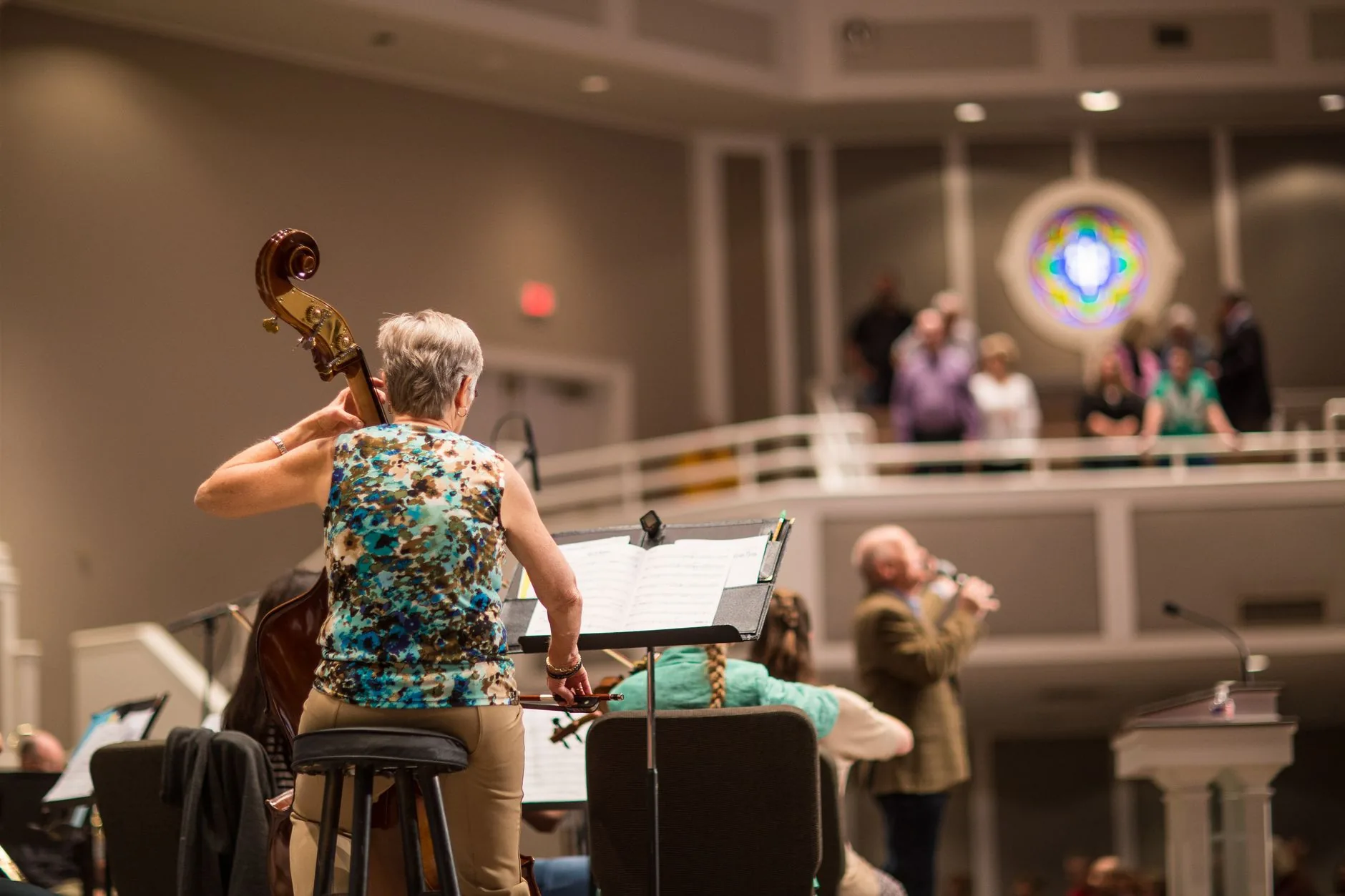
Arts and entertainment artists are professionals who create and perform artistic works across various media and genres.
These artists include painters, sculptors, musicians, actors, and digital content creators. They contribute to the cultural landscape by producing innovative and engaging works that resonate with audiences.
Arts and entertainment news
Arts and entertainment news covers the latest developments, trends, and events in the creative industries.
This includes updates on new film releases, art exhibitions, music festivals, and theater productions. Staying informed about arts and entertainment news helps enthusiasts and professionals keep up with industry trends and opportunities.
Arts and Entertainment Management
Arts and Entertainment Management involves the planning, organizing, and overseeing of artistic and entertainment projects.
Managing budgets, marketing, and logistics in this field demands a blend of creative and business skills. Effective management ensures the success and sustainability of artistic endeavors.
Arts and entertainment jobs
Arts and entertainment jobs encompass a wide range of roles, from creative positions like artists and musicians to administrative roles like event planners and marketing specialists.
Opportunities can be found in galleries, theaters, film studios, and digital media companies. These jobs offer diverse career paths for individuals passionate about the arts.
Arts and entertainment industry
Arts and entertainment industries drive cultural and economic growth with their dynamic nature.
It includes various sub-industries such as visual arts, performing arts, film, music, and digital media. This industry supports millions of jobs worldwide and contributes significantly to global economies.
Key roles of visual arts artists in film and media
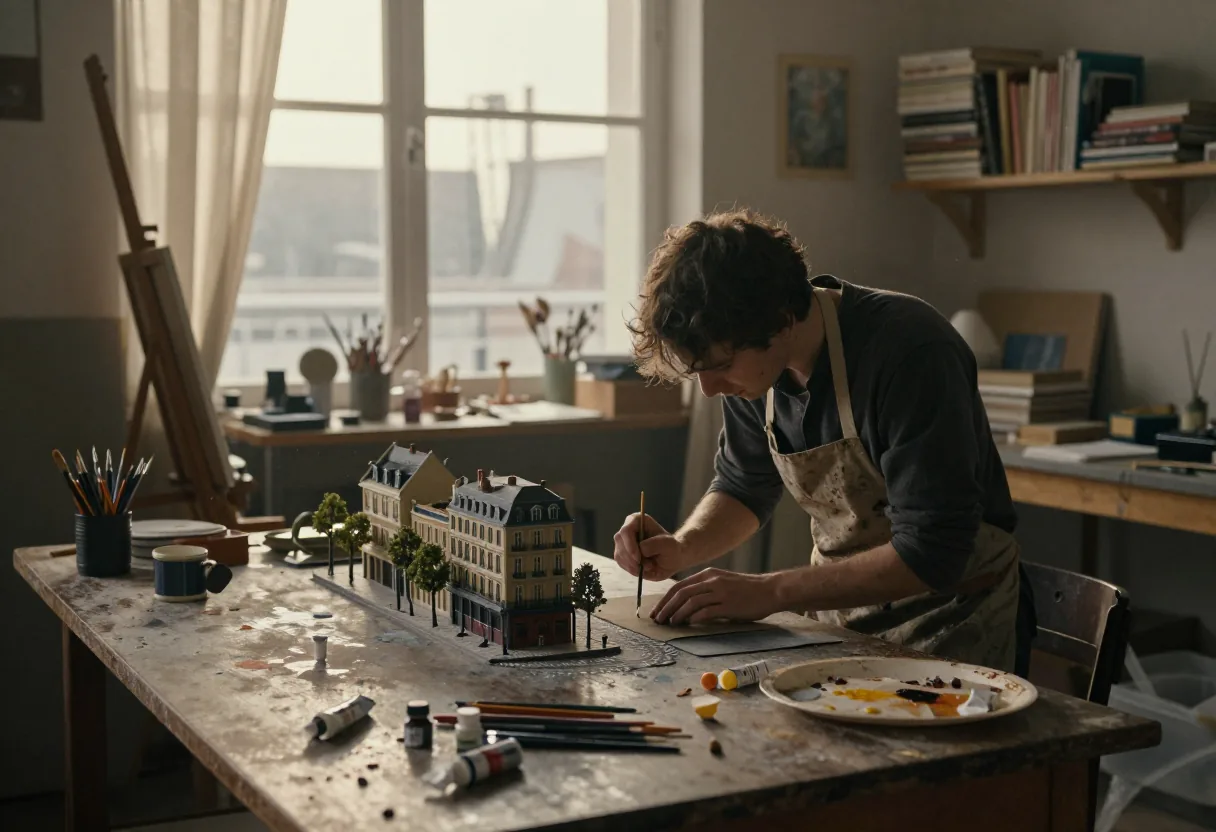
Visual arts artists play several key roles in film and media, including concept artists, production designers, and visual effects artists.
Concept artists create initial designs and sketches for characters, sets, and creatures. Production designers oversee the visual style and aesthetics of a production, while visual effects artists use digital tools to create realistic or fantastical elements.
Training and education for visual arts artists
Training and education for visual arts artists typically involve formal education in art schools or universities, along with hands-on experience and continuous skill development.
Programs like the Visual Artwork: Creation and Digital Production course offer comprehensive training in various artistic techniques and digital tools. Additionally, artists often participate in workshops, internships, and online courses to enhance their skills.
Tools and technologies used by visual arts artists
Artists in the visual arts field employ an array of tools and technologies, ranging from traditional media like paints and sculptures to digital tools such as graphic design software and 3D modeling programs.
Software like Adobe Photoshop, Illustrator, and Maya are commonly used for digital art and visual effects. These tools enable artists to create high-quality work efficiently.
Career paths for visual arts artists
Career paths for visual arts artists are diverse and can include roles in film, television, advertising, gaming, and digital media.
Artists can work as concept artists, illustrators, animators, or art directors. The Arts and Entertainment Technologies: Innovations and Tools section provides insights into the latest technological advancements in the field.
Challenges faced by visual arts artists
Artists in the visual arts frequently encounter obstacles like competition, financial instability, and the need for ongoing skill enhancement.
To overcome these challenges, artists should focus on building a strong portfolio, networking with industry professionals, and staying updated with the latest trends and technologies.
Inspirational visual arts artists
Inspirational visual arts artists include renowned figures like Pablo Picasso, Frida Kahlo, and Banksy.
Their works continue to inspire new generations of artists. These artists have made significant contributions to the art world through their unique styles and innovative techniques.
Future trends in visual arts and entertainment
Future trends in visual arts and entertainment include the increasing use of virtual reality, augmented reality, and artificial intelligence.
Staying informed about these trends can help artists adapt and thrive in the evolving landscape. These technologies are transforming the way artists create and audiences experience art.
Promoting visual arts in film and media
Promoting visual arts in film and media involves showcasing artistic works through exhibitions, festivals, and digital platforms.
Artists can collaborate with filmmakers, game developers, and digital content creators to integrate their work into various media projects. This cross-disciplinary approach can enhance the visibility and impact of visual arts.
In my experience, the first time I really looked at the work of a visual arts artist in film, I was struck by the intricate details and the emotional depth they brought to the screen. This realization highlighted the profound impact visual arts can have on storytelling and audience engagement.
To succeed as a visual arts artist, focus on developing your skills, building a strong portfolio, and networking with industry professionals. Stay updated with the latest trends and technologies to remain competitive in the ever-evolving arts and entertainment industry.
Frequently asked questions
What are the primary responsibilities of a visual arts artist in film?
Visual arts artists in film create concept art, storyboards, and visual effects. They collaborate with directors to bring scenes to life, designing characters, sets, and environments. Their work often starts in pre-production, influencing the film's visual style and continuing through post-production to ensure consistency in visual effects.
How do visual artists contribute to media beyond film?
In media, visual artists design graphics for television shows, video games, and advertisements. They work on promotional materials, such as posters and trailers, and create digital art for social media. Their role extends to developing branding and visual identities for media companies, ensuring a cohesive look across various platforms.
What skills are essential for a visual arts artist working in film and media?
Essential skills include proficiency in digital art software like Photoshop and Blender, strong drawing and painting abilities, and a solid understanding of color theory and composition. Artists must also have excellent communication skills to collaborate effectively with directors, producers, and other team members. Creativity and adaptability are crucial.
Can visual arts artists specialize in specific areas within film and media?
Yes, artists can specialize in areas such as concept art, matte painting, character design, or visual effects. Some focus on environmental design, creating detailed landscapes and settings. Others specialize in motion graphics for television and online content. Specialization allows artists to develop deep expertise in their chosen field.
Related Reading
- Visual Artwork: Creation and Digital Production
- Islands Remix: Visual Arts and Media Production
- Milander Center for Arts and Entertainment: Photo Gallery
See also: Gregangelo’s Velocity Circus Arts and Entertainment: Event Photos.