
Visual Artwork: Creation and Digital Production
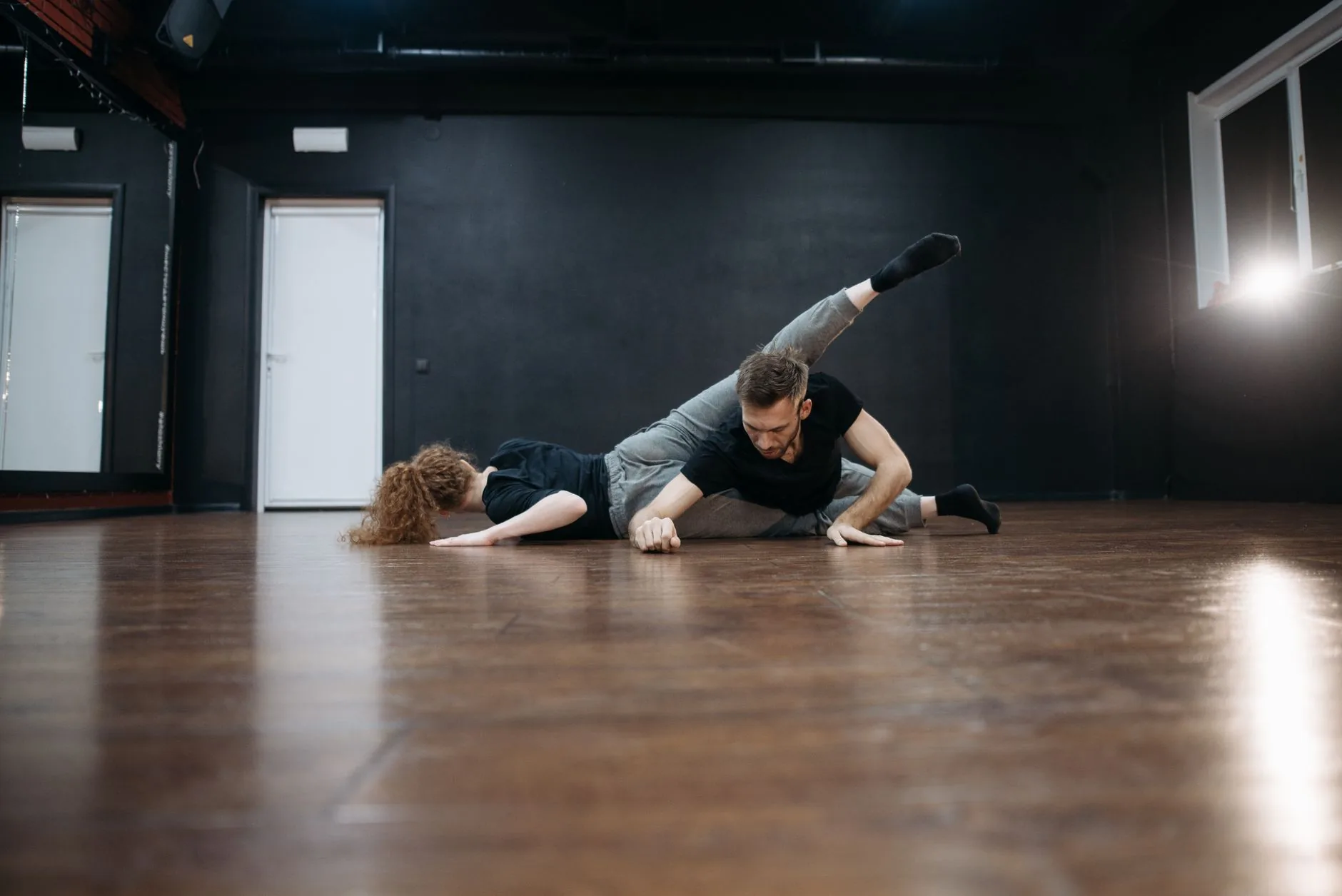
Megan Coleman · on 02 August 2026 · 5 min read · Last reviewed 02 August 2026
Visual artwork refers to any creative expression in tangible or digital form, including painting, sculpture, photography, and digital design, that communicates ideas, emotions, or stories through visual elements.
At its core, visual artwork encompasses both traditional and contemporary mediums, each offering unique ways to engage audiences and convey artistic vision.
- Diversity of mediums: Visual artwork spans painting, sculpture, photography, digital art, and more, each with distinct techniques and tools.
- Historical significance: The Louvre’s Mona Lisa, painted by Leonardo da Vinci between 1503 and 1519, remains one of the most famous visual artworks, known for its enigmatic smile and da Vinci’s mastery of sfumato.
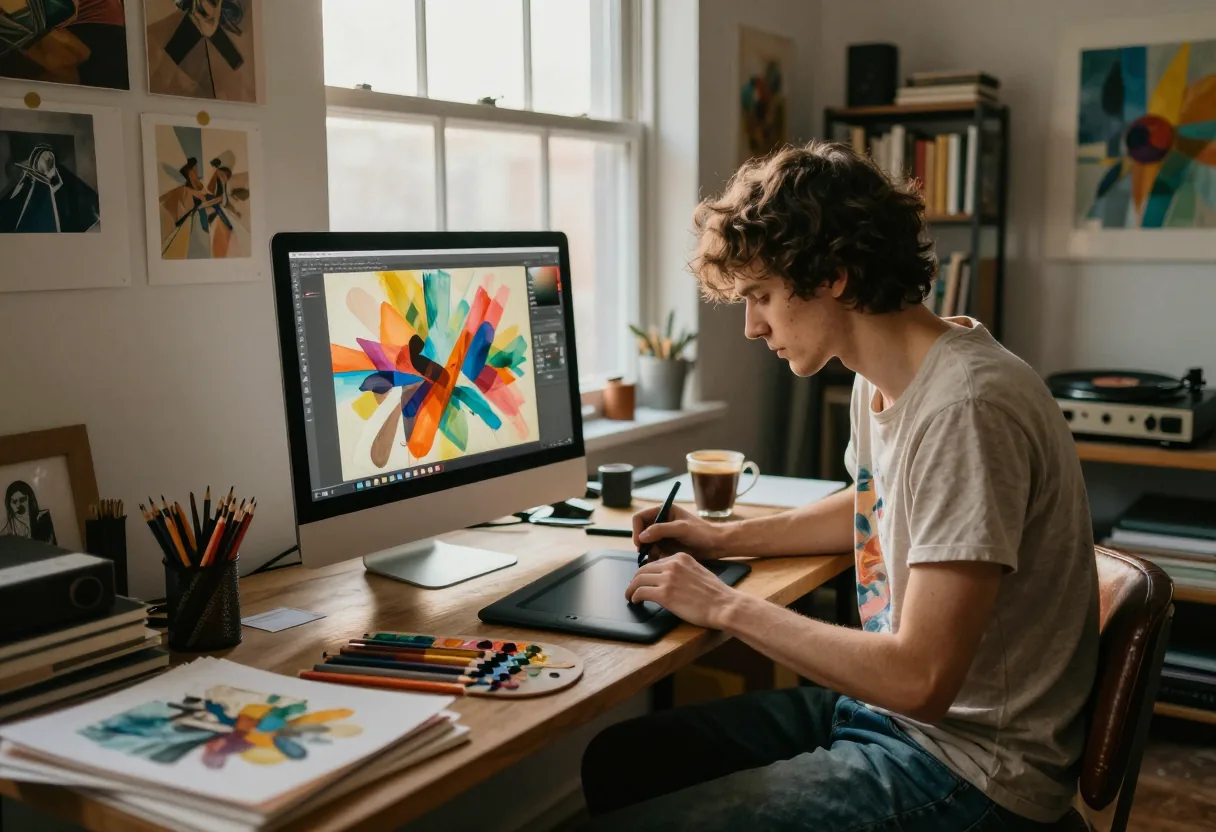
- Modern digital tools: Software like Adobe Photoshop and Procreate has revolutionized visual artwork creation, enabling artists to experiment with layers, digital brushes, and color correction.
- Cultural impact: Visual artwork reflects and shapes societal values, from political commentary to cultural celebrations.
What are the arts and entertainment?
The arts and entertainment encompass a broad spectrum of creative activities designed to engage, inspire, and entertain audiences, including visual arts, performing arts, literature, film, and digital media.
These activities serve as a mirror to society, reflecting cultural values, historical contexts, and innovative ideas.
What are 5 examples of entertainment?
Five prominent examples of entertainment include theater performances, movie screenings, concerts, art exhibitions, and digital streaming platforms.
Each of these examples offers a unique way for audiences to engage with creative content, whether through live interaction or immersive digital experiences.
- Live theater performances, such as Broadway shows, provide immersive storytelling experiences.
- Movie screenings at theaters offer visual and auditory engagement through film.
- Concerts by artists like Beyoncé or The Rolling Stones bring music to life with live performances.
- Art exhibitions, such as those at the Milander Center for Arts and Entertainment, showcase visual artwork in curated spaces.
- Digital streaming platforms like Netflix and Spotify provide on-demand access to a wide range of entertainment content.
What is the meaning of arts and entertainment?
The meaning of arts and entertainment lies in their ability to inspire, educate, and entertain, fostering cultural exchange and personal expression.
Arts and entertainment serve as essential components of human culture, reflecting societal values and historical contexts while providing avenues for creativity and innovation.
How does visual artwork fit into the arts and entertainment industry?
Visual artwork is a foundational element of the arts and entertainment industry, contributing to various sectors such as film, advertising, and digital media.
Artists create visual content that enhances storytelling, brands, and user experiences, making visual artwork integral to the industry’s success.
| Sector | Role of Visual Artwork | Examples |
|---|---|---|
| Film | Set design, concept art, and visual effects | Concept art for movies like Avatar, created by artists like Lisa Sheppard |
| Advertising | Graphic design, branding, and marketing materials | Coca-Cola’s iconic branding and advertising campaigns |
| Digital Media | User interface design, digital illustrations, and animations | User interface designs for apps like Instagram |
What are the key roles of artists in the arts and entertainment industry?
Artists in the arts and entertainment industry have key roles.
Artists bring unique visions to life, whether through painting, sculpture, digital art, or other mediums, and their work drives innovation and cultural dialogue.
- Painters and illustrators create original artwork for exhibitions, publications, and digital platforms.
- Sculptors design and craft three-dimensional artworks for public spaces and private collections.
- Digital artists use software like Adobe Photoshop and Procreate to create digital illustrations and animations.
- Photographers capture images for editorial, commercial, and fine art purposes.
How do arts and entertainment networks support artists?
Arts and entertainment networks provide artists with platforms to showcase their work, connect with audiences, and access resources for career development.
These networks play a crucial role in fostering creativity and supporting the growth of artists across various disciplines.
| Network | Support Provided | Examples |
|---|---|---|
| Social Media Platforms | Exposure to global audiences, networking opportunities | Instagram, TikTok, and Pinterest for visual artists |
| Online Marketplaces | Sales of artwork, commissions, and merchandise | Etsy, ArtPal, and Saatchi Art |
| Art Communities | Collaboration, feedback, and resource sharing | DeviantArt, Behance, and Dribbble |
What are some popular arts and entertainment jobs?
Popular arts and entertainment jobs include roles such as graphic designers, film directors, musicians, and art curators.
Creative expression and career growth within the industry are offered by these jobs.
- Graphic designers create visual content for branding, advertising, and digital media.
- Film directors oversee the creative vision and execution of movies and TV shows.
- Musicians compose and perform original music for various audiences and platforms.
- Art curators manage and exhibit artwork in galleries and museums.
What are the key skills required for a career in arts and entertainment?
Creativity, technical proficiency, collaboration, and adaptability are key skills required for a career in arts and entertainment.
Bringing visions to life, these skills enable artists to work effectively with others and navigate the ever-evolving landscape of the industry.
- Develop technical skills in your chosen medium, such as painting, sculpture, or digital art.
- Build a strong portfolio showcasing your best work to attract clients and opportunities.
- Network with other artists, industry professionals, and potential collaborators.
- Stay updated on industry trends and new technologies to remain competitive.
How do arts and entertainment news platforms keep audiences informed?
Arts and entertainment news platforms keep audiences informed by covering industry trends, artist profiles, event reviews, and cultural developments.
These platforms play a vital role in shaping public perception and supporting the growth of the arts and entertainment industry.
- Industry trends and breakthroughs, such as new technologies in digital art.
- Artist profiles and interviews, highlighting their creative processes and inspirations.
- Event reviews and previews, providing insights into exhibitions, concerts, and film releases.
- Cultural developments and societal impacts, showing how arts and entertainment reflect and influence culture.
What is the role of arts and entertainment management?
Arts and entertainment management roles involve overseeing the business aspects of creative projects, including budgeting, marketing, and event planning.
Effective management ensures the success and sustainability of arts and entertainment ventures, from small exhibitions to large-scale productions.
| Aspect | Responsibilities | Examples |
|---|---|---|
| Budgeting | Managing finances, securing funding, and allocating resources | Budgeting for a theater production, including set design and actor salaries |
| Marketing | Promoting events, artists, and projects to target audiences | Marketing campaigns for art exhibitions and music festivals |
| Event Planning | Organizing and executing events, from logistics to guest management | Planning a concert at a venue like Gregangelo's Velocity Circus |
Creativity, innovation, and the ability to connect with audiences on a deep emotional level drive the arts and entertainment industry. Whether you’re an artist, a manager, or an enthusiast, knowing the various aspects of this dynamic field can help you navigate and contribute to its success.
Frequently asked questions
What software do professional artists use for digital artwork?
Professionals often use Adobe Photoshop or Illustrator for vector work. Procreate is popular on iPads, while Clip Studio Paint offers strong animation tools. Krita, a free option, is favored for its customizable brushes. Each tool has strengths; choice depends on project needs and personal workflow.
How do artists maintain consistency in color across digital projects?
Artists use color palettes and swatches to ensure consistency. Tools like Adobe Color or Coolors.co help create harmonious schemes. Non-destructive layers in software allow adjustments without losing original work. Calibrating monitors prevents color discrepancies between devices.
What file formats are best for saving digital artwork?
PNGs work for lossless quality with transparency. JPEGs are common for web use but compress with quality loss. SVG files suit vector graphics. For high-quality prints, TIFFs or PSD files preserve detail. Artists often save multiple versions for different uses.
Can traditional artists transition smoothly to digital work?
Yes, many traditional artists adapt quickly. Digital tools mimic traditional media like oils or pencils. Learning shortcuts and software-specific techniques speeds the process. Starting with a graphics tablet that mimics paper texture helps bridge the gap.
How does the restoration of visual artwork impact its historical significance?
The restoration of visual artwork plays a crucial role in preserving its historical significance. Restoration processes can help to stabilize and conserve the artwork, preventing further deterioration and ensuring its longevity. This is particularly important for older artworks that have been exposed to environmental factors such as light, humidity, and temperature fluctuations. By restoring these artworks, we can maintain their physical integrity and ensure that they remain accessible for future generations to study and appreciate.
However, the process of restoration can also pose challenges to the historical significance of the artwork. Restoration often involves making decisions about how to address damage or deterioration, which can sometimes result in changes to the original appearance of the artwork. For example, a restorer might choose to repaint a damaged area of a painting, which could alter the original intent of the artist. Additionally, the use of modern materials and techniques in restoration can sometimes make it difficult to distinguish between the original artwork and the restored areas, which can impact the artwork’s authenticity and historical value.
To mitigate these challenges, restorers often follow a set of ethical guidelines known as the “Venice Charter” or the “International Charter for the Conservation and Restoration of Monuments and Sites.” These guidelines emphasize the value of minimizing interventions, using reversible materials and techniques, and documenting all restoration work. By following these principles, restorers can help to preserve the historical significance of the artwork while also addressing its conservation needs.
In some cases, the restoration of visual artwork can even enhance its historical significance. For example, the restoration of a damaged or neglected artwork can reveal new information about its creation, such as the use of specific materials or techniques. This can provide valuable insights into the artistic practices of the time and contribute to our understanding of art history. Additionally, the restoration process itself can become a part of the artwork’s history, documenting the efforts made to preserve it for future generations.
Related Reading
- Visual Arts Artist: Roles in Film and Media
- Islands Remix: Visual Arts and Media Production
- Milander Center for Arts and Entertainment: Photo Gallery