
Hyperrealism Visual Arts: Production Costs and Demand
Megan Coleman · on 02 August 2026 · 9 min read · Last reviewed 02 August 2026
What techniques are essential for creating hyperrealistic artworks?
Hyperrealism visual arts demand essential techniques such as meticulous attention to detail, precise use of light and shadow, and advanced rendering methods.
These techniques enable artists to achieve an uncanny level of realism that blurs the line between art and reality.
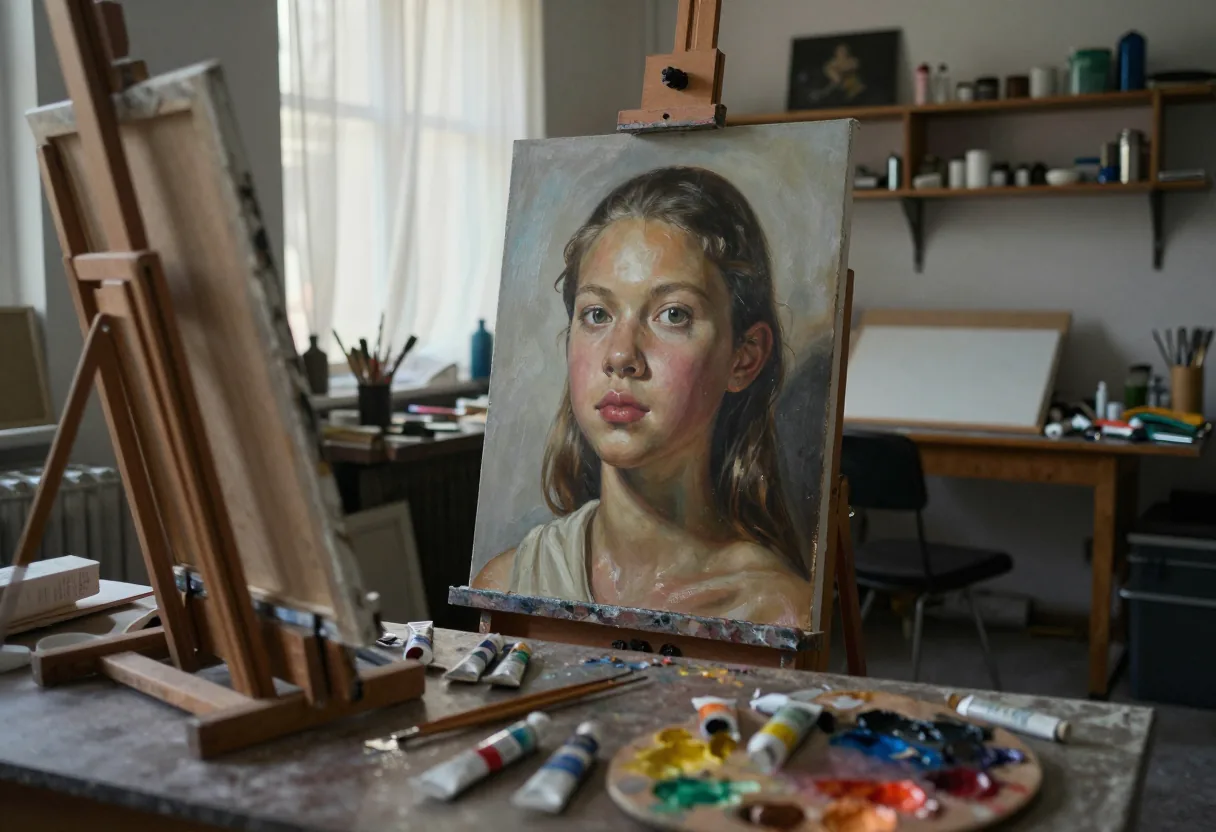
To achieve hyperrealism, artists employ a variety of techniques that require immense patience and precision. One such technique is the use of photorealistic drawing, where artists create highly detailed sketches based on photographs. The first time I really looked at a photorealistic drawing, I was amazed by the artist’s ability to capture every minute detail, from the texture of skin to the subtle reflections in the eyes. This technique often involves using fine-liner pens or graphite pencils to build up layers of shading and detail.
Another crucial technique in hyperrealism is the mastery of light and shadow, known as chiaroscuro. Artists like Alberto Seveso use this technique to create a sense of depth and three-dimensionality in their works. By carefully observing and replicating the way light interacts with different surfaces, artists can create hyperrealistic effects that draw viewers in. For example, Seveso’s digital painting “The Last Day” demonstrates his exceptional skill in manipulating light and shadow to create a lifelike image.
Advanced rendering methods, such as airbrushing and digital painting, also play a significant role in achieving hyperrealism. Airbrushing allows artists to create smooth gradients and subtle transitions, while digital painting offers a wide range of tools and effects that can enhance the realism of an artwork. Artists like Rob Gonsalves combine traditional and digital techniques to create hyperrealistic landscapes that challenge the viewer’s perception of reality.
How do galleries and museums support hyperrealism artists?
Galleries and museums support hyperrealism artists by providing exhibition spaces, promotional opportunities, and access to a wider audience.
These institutions play a crucial role in nurturing the growth and development of the hyperrealism genre.
Galleries and museums offer hyperrealism artists a platform to showcase their work to a broader audience. For instance, the Saatchi Gallery in London has featured prominent hyperrealist artists such as Ron Mueck and Chuck Close. By hosting exhibitions that highlight the unique qualities of hyperrealism, these institutions help to improve the genre’s profile and attract new collectors and enthusiasts.
In addition to exhibition spaces, galleries and museums provide promotional opportunities for hyperrealism artists. These opportunities include press releases, media coverage, and collaborations with other artists and institutions. For example, the Museum of Contemporary Art (MOCA) in Los Angeles has collaborated with hyperrealist artists to create large-scale installations and public art projects, further enhancing the genre’s visibility and impact.
Also, galleries and museums offer resources and support that help hyperrealism artists develop their skills and careers. These resources may include educational programs, workshops, and residencies that provide artists with the opportunity to learn from experienced professionals and refine their techniques. For instance, the Whitney Museum of American Art in New York City offers residency programs that support emerging artists, including those working in the hyperrealism genre.
| Gallery/Museum | Location | Support Provided | Notable Hyperrealist Artists Featured |
|---|---|---|---|
| Saatchi Gallery | London, UK | Exhibition spaces, promotional opportunities | Ron Mueck, Chuck Close |
| Museum of Contemporary Art (MOCA) | Los Angeles, USA | Collaborations, public art projects | Duane Hanson, John DeAndrea |
| Whitney Museum of American Art | New York City, USA | Residency programs, educational resources | Richard Estes, Audrey Flack |
| Richmond Art Gallery | Richmond, Canada | Exhibition spaces, community engagement | Robert Bechtle, Malcolm Morley |
What are the challenges faced by hyperrealism artists?
Hyperrealism artists face challenges such as the time-consuming nature of their work, the high cost of materials, and the need to constantly innovate and push boundaries.
Despite these challenges, many artists find the rewards of creating hyperrealistic artworks to be well worth the effort.
One of the primary challenges faced by hyperrealism artists is the immense amount of time and patience required to create detailed and lifelike artworks. The process of building up layers of detail, from initial sketches to final touches, can take weeks or even months to complete. For example, artist Audrey Flack has spoken about the meticulous process involved in her hyperrealistic paintings, which often require hundreds of hours of work.
In addition to the time investment, hyperrealism artists also face the challenge of acquiring and maintaining high-quality materials. The use of specialized tools and techniques, such as airbrushing and digital painting, can be costly and require ongoing maintenance. For instance, digital artist Rachel Rossin has discussed the value of investing in top-of-the-line equipment and software to achieve the desired level of realism in her works.
Another challenge for hyperrealism artists is the need to constantly innovate and push the boundaries of the genre. As the art world evolves, artists must adapt and explore new techniques, materials, and themes to stay relevant and engage audiences. For example, artist Joshua Harker has embraced 3D printing technology to create hyperrealistic sculptures that challenge traditional notions of art and reality.
How can collectors and enthusiasts support hyperrealism artists?
Collectors and enthusiasts can support hyperrealism artists by purchasing their work, attending exhibitions, and engaging with them on social media.
Fostering a thriving community around the hyperrealism genre helps ensure its continued growth and development.
One of the most significant ways collectors and enthusiasts can support hyperrealism artists is by purchasing their work. Buying art not only provides financial support for the artist but also helps to validate their creative vision and encourage further exploration of the genre. For example, collector Leonard Lauder has been a longtime supporter of hyperrealist artists, amassing a significant collection of their works and helping to improve the genre’s profile.
Attending exhibitions and events featuring hyperrealism artists is another way for collectors and enthusiasts to show their support. By participating in these events, individuals can engage with the artworks, learn more about the creative process, and connect with the artists themselves. For instance, the Art Basel fair in Miami has featured numerous hyperrealist artists and provided a platform for collectors and enthusiasts to discover and engage with their work.
Engaging with hyperrealism artists on social media platforms can also be a valuable way to show support and foster a sense of community. By following artists on platforms like Instagram, Facebook, and Twitter, collectors and enthusiasts can stay up-to-date on their latest projects, share their appreciation for the work, and connect with like-minded individuals. For example, artist Robert Silvers actively engages with his followers on social media, sharing insights into his creative process and offering glimpses into his studio.
| Support Method | Description | Benefits |
|---|---|---|
| Purchasing Artwork | Buying original artworks or prints from hyperrealism artists | Provides financial support, validates artistic vision |
| Attending Exhibitions | Visiting galleries, museums, and art fairs featuring hyperrealism | Engages with artworks, connects with artists, supports exhibitions |
| Social Media Engagement | Following and interacting with hyperrealism artists on social platforms | Fosters community, stays informed about new projects, connects with artists |
| Commissioning Artworks | Requesting custom hyperrealistic artworks from artists | Supports artists’ creative endeavors, results in unique, personalized pieces |
What are some emerging hyperrealism artists to watch?
Emerging hyperrealism artists to watch include Erica Larson, known for her lifelike portraits, and Jason de Graaf, who explores urban landscapes with meticulous detail.
Hyperrealism’s boundaries are being pushed by these artists, who gain recognition for their exceptional skill and creativity.
Erica Larson is an emerging hyperrealism artist who has garnered attention for her stunning portraits. Her works, such as “Self-Portrait with Skull” (2018), demonstrate her exceptional ability to capture the subtleties of human expression and anatomy. Larson’s use of light and shadow creates a sense of depth and realism that draws viewers in and invites them to contemplate the complexities of human existence.
Jason de Graaf is another emerging artist who is making waves in the hyperrealism genre. His urban landscapes, such as “Times Square at Night” (2019), showcase his meticulous attention to detail and his ability to create lifelike representations of bustling city scenes. De Graaf’s works often explore themes of urban life, technology, and the interplay between nature and architecture.
Other emerging hyperrealism artists to watch include Courtney Marshall, known for her intricate still-life paintings, and Kathleen Vail, who creates hyperrealistic sculptures that challenge the viewer’s perception of reality. These artists, along with many others, are contributing to the growth and evolution of the hyperrealism genre, pushing the boundaries of what is possible and inspiring new generations of artists.
What are the ethical considerations in hyperrealism art?
Ethical considerations in hyperrealism art include the use of models, the depiction of sensitive subjects, and the potential for deception.
Artists and viewers alike must navigate these ethical complexities to ensure that hyperrealism remains a responsible and respectful art form.
One of the primary ethical considerations in hyperrealism art is the use of models. Artists often rely on photographs or live models to create their hyperrealistic works, raising questions about consent, privacy, and the exploitation of individuals. For example, artist Duane Hanson faced criticism for his lifelike sculptures of everyday people, which some viewed as exploitative or dehumanizing. To address these concerns, artists must obtain proper consent from their models and treat them with respect and dignity.
The depiction of sensitive subjects is another ethical consideration in hyperrealism art. Artists may explore controversial or emotionally charged topics, such as violence, politics, or social issues, in their hyperrealistic works. For instance, artist Jennifer Baird creates hyperrealistic sculptures that address themes of trauma, loss, and healing. When depicting sensitive subjects, artists must be mindful of the potential impact on viewers and strive to approach their work with empathy, sensitivity, and a commitment to truth.
The potential for deception is yet another ethical consideration in hyperrealism art. The genre’s uncanny level of realism can sometimes blur the line between art and reality, leading viewers to question what they are seeing. For example, artist Jonty Hurwitz creates hyperrealistic sculptures that appear to be real people but are, in fact, carefully crafted illusions. To address this ethical concern, artists must be transparent about their creative process and the techniques they employ, ensuring that viewers are aware of the artifice involved in their work.
See also
For more information on related topics, explore budgeting and pricing in entertainment, industry growth and investment in visual arts, and local economic impact of art works.
From the wires
According to a recent report by the National Endowment for the Arts, the demand for hyperrealistic artworks has been steadily increasing, driven by a growing appreciation for the technical skill and emotional depth of this genre.
This trend is expected to continue as more artists and audiences embrace the unique qualities of hyperrealism.
Investing in hyperrealism visual arts can be a rewarding endeavor, both financially and creatively. With the right resources and support, artists can continue to push the boundaries of this exciting genre and contribute to the art world. arts and entertainment industry.
Frequently asked questions
How much does a typical hyperrealist artwork cost to produce?
Costs vary widely. Materials alone can range from a typical market rate for high-quality paints and canvases to a typical market rate for specialized tools like airbrushes. Skilled artists charge a typical market rate-a typical market rate, depending on size and complexity. Commissioning a large-scale piece may exceed a typical market rate. Budget 10-20% extra for framing or installation.
What factors drive demand for hyperrealist art?
Collectors seek hyperrealism for its precision and emotional impact. High demand correlates with art fairs like Art Basel, where hyperrealist works often sell for six figures. Museums also fuel interest by featuring exhibitions. Younger buyers, influenced by social media, prefer photorealistic styles, boosting market growth.
Why is hyperrealism more expensive than other styles?
Hyperrealism demands 100-500 hours of meticulous work. Artists often use photographs, projectors, and digital tools to achieve microscopic detail. The process requires patience and technical skill, which justifies higher prices. Limited edition prints may offset costs, but originals remain costly due to exclusivity.
How has technology impacted hyperrealism production costs?
Digital tools like Photoshop and 3D scanners reduce material waste and speed up initial drafts. Online tutorials lower training costs for emerging artists. However, high-end equipment like industrial-grade printers or large-format scanners can add a typical market rate-a typical market rate to startup expenses. Cloud storage for reference images also incurs recurring fees.