
Texture in Visual Arts: Techniques and Examples
Sarah Barrett · on 02 August 2026 · 11 min read · Last reviewed 02 August 2026
Texture visual arts is the focus here. Texture in visual arts refers to the tactile or visual quality of a surface, described as smooth, rough, or something in between, and is used to create depth, contrast, and visual interest in a composition.
Texture adds a tangible dimension to artwork, engaging the viewer’s sense of touch even when the piece is purely visual. It can be actual (tactile) or implied (visual), and artists manipulate it through various techniques and materials.
- The human eye naturally perceives textures, even if they are only suggested.
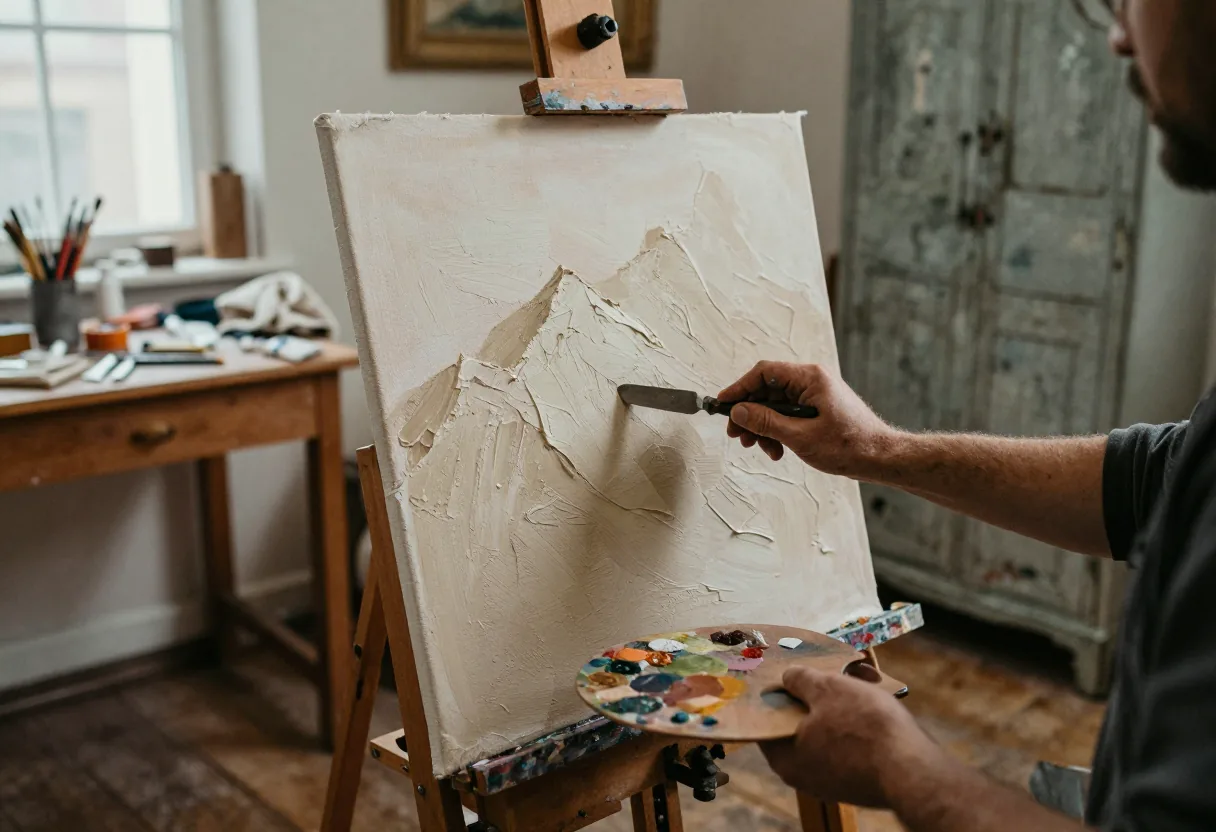
- Artists use tools like palette knives, sponges, or even their hands to create tactile textures.
- Implied texture is created through skillful use of color, line, and shading to trick the eye into perceiving a texture that isn’t physically present.
- Textured surfaces can dramatically alter the mood and meaning of a piece, from the rough, expressive brushstrokes of Vincent van Gogh’s "Starry Night" to the smooth, polished surfaces of a Renaissance fresco.
Looking at texture visual arts and entertainment
The arts and entertainment encompass a broad range of creative expressions and activities designed to engage, inspire, and entertain audiences.
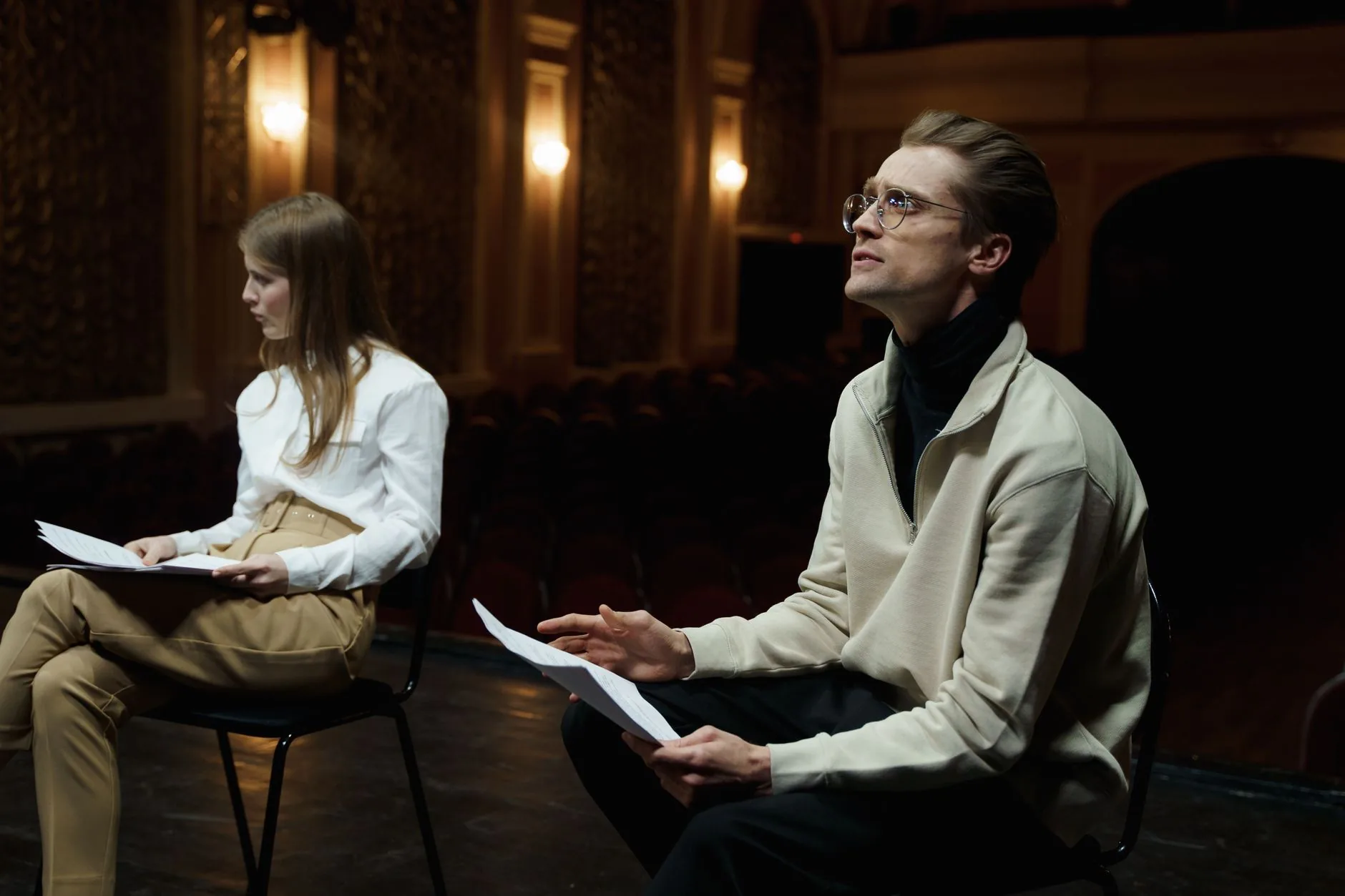
This includes visual arts like painting and sculpture, performing arts such as theater and dance, and entertainment media like film and music. The arts and entertainment industry plays a crucial role in cultural preservation, education, and economic growth, providing jobs and fostering community engagement.
What are 5 examples of entertainment?
Five examples of entertainment include movies, concerts, theater performances, television shows, and video games.
Movies transport audiences to different worlds through storytelling and visual effects. Concerts bring people together to enjoy live music performances. Theater performances offer live drama and comedy, while television shows provide episodic storytelling. Video games offer interactive entertainment, allowing players to engage with virtual worlds and characters.
What is the meaning of arts and entertainment?
The meaning of arts and entertainment lies in their ability to evoke emotions, tell stories, and create shared experiences.
Arts and entertainment serve as a mirror to society, reflecting cultural values, historical events, and personal experiences. They provide a platform for artists to express their creativity and for audiences to find joy, solace, or inspiration. The arts and entertainment industry is also a significant economic driver, contributing to local and global economies through tourism, job creation, and cultural exports.
What techniques are used to create texture in visual arts?
Technniques used to create texture in visual arts include impasto, sgraffito, collage, and pointillism.
Impasto involves thickly applying paint to a surface to create a three-dimensional effect, as seen in the works of Rembrandt. Sgraffito is a method where layers of plaster or paint are scratched to reveal underlying layers, creating intricate textures. Collage incorporates various materials like paper, fabric, and photographs to build textures. Pointillism uses small, distinct dots of color to create a textured surface when viewed from a distance, as exemplified by Georges Seurat’s "A Sunday Afternoon on the Island of La Grande Jatte".
How does texture contribute to the overall composition of an artwork?
Texture contributes to the overall composition of an artwork by adding depth, contrast, and visual interest.
It can guide the viewer’s eye through the piece, create focal points, and enhance the mood and emotional impact. For example, rough textures can convey chaos or tension, while smooth textures might suggest calm or serenity. The interplay of different textures can also create a sense of harmony or dissonance, enriching the viewer’s experience.
What materials are commonly used to create texture in visual arts?
Materials commonly used to create texture in visual arts include oil paints, acrylic paints, pastels, charcoals, and mixed media.
Oil paints are favored for their thick, buttery consistency, allowing artists to build up layers of texture. Acrylic paints dry quickly and can be used to create both smooth and textured surfaces. Pastels and charcoals offer a tactile quality that can be blended or layered to create subtle or bold textures. Mixed media, which combines various materials like sand, fabric, or metal, can produce unique and complex textures.
How can artists imply texture in a two-dimensional artwork?
Artists imply texture in a two-dimensional artwork through the use of color, shading, and line work.
By varying the intensity and hue of colors, artists can suggest different surface qualities. Shading techniques, such as cross-hatching or stippling, can create the illusion of depth and texture. Line work, whether bold and jagged or soft and flowing, can also convey a sense of texture without actual tactile variation. These techniques trick the eye into perceiving textures that are not physically present, adding a layer of complexity to the artwork.
What are some famous artworks that showcase texture?
Some famous artworks that showcase texture include “The Starry Night” by Vincent van Gogh, “The Night Watch” by Rembrandt, and “A Sunday Afternoon on the Island of La Grande Jatte” by Georges Seurat.
Van Gogh’s "The Starry Night" features thick, swirling brushstrokes that create a sense of movement and texture. Rembrandt’s "The Night Watch" uses impasto to highlight key figures and add depth. Seurat’s "A Sunday Afternoon on the Island of La Grande Jatte" exemplifies pointillism, where tiny dots of color build up to form a textured surface.
How do different art movements approach texture?
Different art movements approach texture in unique ways, reflecting their artistic goals and techniques.
Impressionism focuses on capturing the fleeting effects of light and color, often using visible brushstrokes to create texture. Expressionism employs bold, textured brushstrokes to convey emotion and psychological depth. Abstract Expressionism, exemplified by artists like Jackson Pollock, uses spontaneous, gestural techniques to create highly textured surfaces. These approaches highlight how texture can be a powerful tool for artistic expression.
What role does texture play in digital art?
In digital art, texture plays a crucial role in adding realism and depth to the artwork.
Digital artists use various tools and techniques to create and manipulate textures, such as digital brushes, texture overlays, and layer styles. These tools allow artists to simulate the appearance of traditional media or create entirely new textures. The use of texture in digital art can enhance the visual appeal, create a sense of tactile quality, and add complexity to the composition.
| Art Movement | Technique | Example Artist |
|---|---|---|
| Impressionism | Visible brushstrokes | Claude Monet |
| Expressionism | Bold, textured brushstrokes | Edvard Munch |
| Abstract Expressionism | Spontaneous, gestural techniques | Jackson Pollock |
| Cubism | Geometric shapes and collage | Pablo Picasso |
How can beginners experiment with texture in their artwork?
Beginners can experiment with texture in their artwork by trying out different materials and techniques.
Start with basic tools like brushes, palettes, and palette knives to create tactile textures. Explore mixed media by incorporating materials like sand, fabric, or paper into your work. Practice shading and line work to imply texture in two-dimensional art. Additionally, study the works of renowned artists to understand how they use texture to enhance their compositions. The first time I really looked at texture in art was when I saw Van Gogh’s "Sunflowers" up close; the thick, expressive brushstrokes were mesmerizing.
What are the challenges of working with texture in visual arts?
Managing the drying time of materials presents one of the challenges when working with texture in visual arts.
For instance, oil paints take a long time to dry, which can be both an advantage and a challenge. Ensuring that textured surfaces remain stable over time requires careful handling and preservation techniques. Additionally, artists must consider how texture interacts with color, light, and form to create a harmonious composition. Balancing these elements is crucial for achieving the desired visual impact.
How does texture influence the mood and emotion of an artwork?
Artwork evokes tactile sensations and visual cues that influence the mood and emotion by resonating with the viewer.
Rough, jagged textures can convey a sense of chaos or tension, while smooth, flowing textures might suggest calm or serenity. The interplay of different textures can create a dynamic visual experience, enhancing the emotional depth of the piece. For example, the rough, expressive brushstrokes in Edvard Munch’s "The Scream" intensify the sense of anxiety and despair.
What are some modern applications of texture in visual arts?
Modern applications of texture in visual arts include digital texture mapping, mixed media installations, and interactive art.
Digital texture mapping allows artists to apply textures to three-dimensional models in digital environments. Mixed media installations combine various materials to create immersive, textured experiences. Interactive art invites viewers to engage with textured surfaces, adding a layer of physical interaction. These applications showcase the versatility and innovation of texture in contemporary art.
What are the different types of texture in visual arts?
Actual and implied textures are the different types in visual arts.
Actual texture refers to the physical surface of the artwork, which can be felt and touched. Implied texture, on the other hand, is created through visual techniques such as shading, line work, and color variation. Both types of texture play a crucial role in enhancing the visual appeal and depth of an artwork, engaging the viewer’s senses and imagination.
How do artists use texture to create contrast in their compositions?
Artists use texture to create contrast in their compositions by juxtaposing smooth and rough surfaces, light and dark areas, and different materials.
This contrast draws the viewer’s eye to specific areas of the artwork, creating focal points and adding visual interest. For example, the smooth, polished surfaces in a Renaissance painting might contrast with the rough, textured background, highlighting the central figures. This interplay of textures enhances the overall composition and conveys the artist’s intended message.
What are some tools and materials used to create texture in visual arts?
Some tools and materials used to create texture in visual arts include brushes, palette knives, sponges, sandpaper, and mixed media.
Brushes of various shapes and sizes allow artists to create different types of strokes and textures. Palette knives are used to apply thick layers of paint, creating impasto effects. Sponges can add unique textures through stippling or dabbing techniques. Sandpaper can be used to roughen surfaces or create interesting textures. Mixed media, which combines different materials like fabric, paper, and metal, offers endless possibilities for creating complex and engaging textures.
How does texture enhance the realism of an artwork?
Mimicking real-world surfaces and objects enhances the realism of an artwork by adding tactile qualities.
By carefully observing and replicating the textures of different materials, artists can create a sense of depth and dimension that makes the artwork appear more lifelike. For example, the detailed texture of a Rembrandt portrait captures the subtleties of skin, fabric, and other surfaces, adding to the overall realism and impact of the piece.
What are some tips for incorporating texture into digital art?
Some tips for incorporating texture into digital art include using digital brushes, texture overlays, and layer styles.
Texture overlays can be applied to digital paintings to add depth and complexity. Digital brushes allow artists to create a wide range of textures, from smooth gradients to rough, expressive strokes. Layer styles, such as bevel and emboss, can simulate three-dimensional textures. Additionally, artists can experiment with different blending modes and opacity settings to achieve unique textured effects.
How does the choice of medium affect the texture of an artwork?
Medium choice affects the texture of an artwork by determining the range of textures that can be created and the techniques that can be used.
For example, oil paints offer a thick, buttery consistency that is ideal for impasto techniques, while watercolors tend to be more fluid and transparent. Pastels and charcoals provide a tactile quality that can be blended or layered to create subtle or bold textures. Mixed media allows artists to combine different materials, offering endless possibilities for creating unique and complex textures.
| Medium | Texture Characteristics | Example Techniques |
|---|---|---|
| Oil Paints | Thick, buttery consistency | Impasto, glazing |
| Acrylic Paints | Quick-drying, versatile | Layering, texture gels |
| Pastels | Soft, chalky, tactile | Blending, layering |
| Charcoals | Bold, smudgy, expressive | Hatching, cross-hatching |
| Mixed Media | Diverse, complex, layered | Collage, assemblage |
How can artists use texture to tell a story in their artwork?
Artists use texture to tell a story in their artwork by evoking emotions, creating visual metaphors, and guiding the viewer’s eye through the composition.
The interplay of different textures can create a narrative that engages the viewer on multiple levels. For example, rough, chaotic textures can convey a sense of turmoil or conflict, while smooth, flowing textures might suggest harmony or tranquility. By carefully selecting and combining textures, artists can enhance the storytelling aspect of their work and convey complex ideas and emotions.
What are some common mistakes to avoid when working with texture?
Some common mistakes to avoid when working with texture include overcomplicating the composition, neglecting balance, and using texture inconsistently.
Overcomplicating the composition can make the artwork appear cluttered and confusing. Neglecting balance can result in a composition that feels unbalanced or unharmonious. Using texture inconsistently can create a disjointed visual experience. To avoid these mistakes, artists should carefully plan their compositions, consider the overall balance and harmony of the piece, and ensure that the textures used enhance the intended message and emotional impact.
What is the future of texture in visual arts?
Advancements in digital technology, innovative materials, and interdisciplinary collaborations are likely to shape the future of texture in visual arts.
Innovative materials, such as eco-friendly or smart materials, are opening up new possibilities for textured surfaces. Digital tools and software continue to evolve, offering artists new ways to create and manipulate textures. Interdisciplinary collaborations, such as those between artists and scientists, are pushing the boundaries of what is possible in terms of texture and artistic expression. These developments are expected to drive the evolution of texture in visual arts, making it an exciting and dynamic field.
Frequently asked questions
How can texture create depth in a painting?
Texture adds tactile and visual depth. Artists use impasto, where thick paint layers create raised surfaces, or glazing, layering thin, translucent paints. For example, Vincent van Gogh’s “Starry Night” employs thick brushstrokes for dynamic texture, enhancing the illusion of depth and movement.
What materials can artists use to create texture?
Artists use sand, sawdust, or fabric to mix with paint. Collage incorporates paper or fabric fragments. Sculptors carve wood or mold clay. Jackson Pollock dripped paint onto canvas, creating intricate textures through random yet controlled application.
Can digital artists create texture? If so, how?
Yes, digital artists use tools like Photoshop’s texture overlays or brushes mimicking real materials. They scan textures or generate them algorithmically. Digital painting programs simulate traditional media, allowing artists to build layered textures with virtual tools.
How does texture influence the mood of an artwork?
Rough textures convey chaos or tension, while smooth textures suggest calmness. For instance, Mark Rothko’s color field paintings use subtle texture to evoke emotion. The slight brushwork variations create a sense of intimacy and depth, drawing the viewer in.
Related Reading
- Visual Arts Elements: A Complete Guide
- Shedskin: Visual Art Technique and Examples
- Visual Artwork: Creation and Digital Production