
Islands Remix: Visual Arts and Media Production
Megan Coleman · on 02 August 2026 · 8 min read · Last reviewed 02 August 2026
Islands Remix: Visual Arts and Media Production is a dynamic fusion of traditional visual arts and contemporary media production, creating immersive and interactive experiences that push the boundaries of creativity.
This mix of fields uses digital tools and innovative techniques to turn static art into engaging, multimedia narratives.
- Islands Remix integrates digital art, video production, and interactive design to create multimedia experiences.
- The movement emerged in the early 2010s as artists began experimenting with digital platforms and interactive technologies.
- Key tools include software like Adobe Creative Suite, Blender, and Unity, which enable artists to create 3D models, animations, and virtual reality experiences.
- Notable artists in this field include Refik Anadol, known for his data-driven art installations, and teamLab, famous for their immersive digital environments.
What are the arts and entertainment?
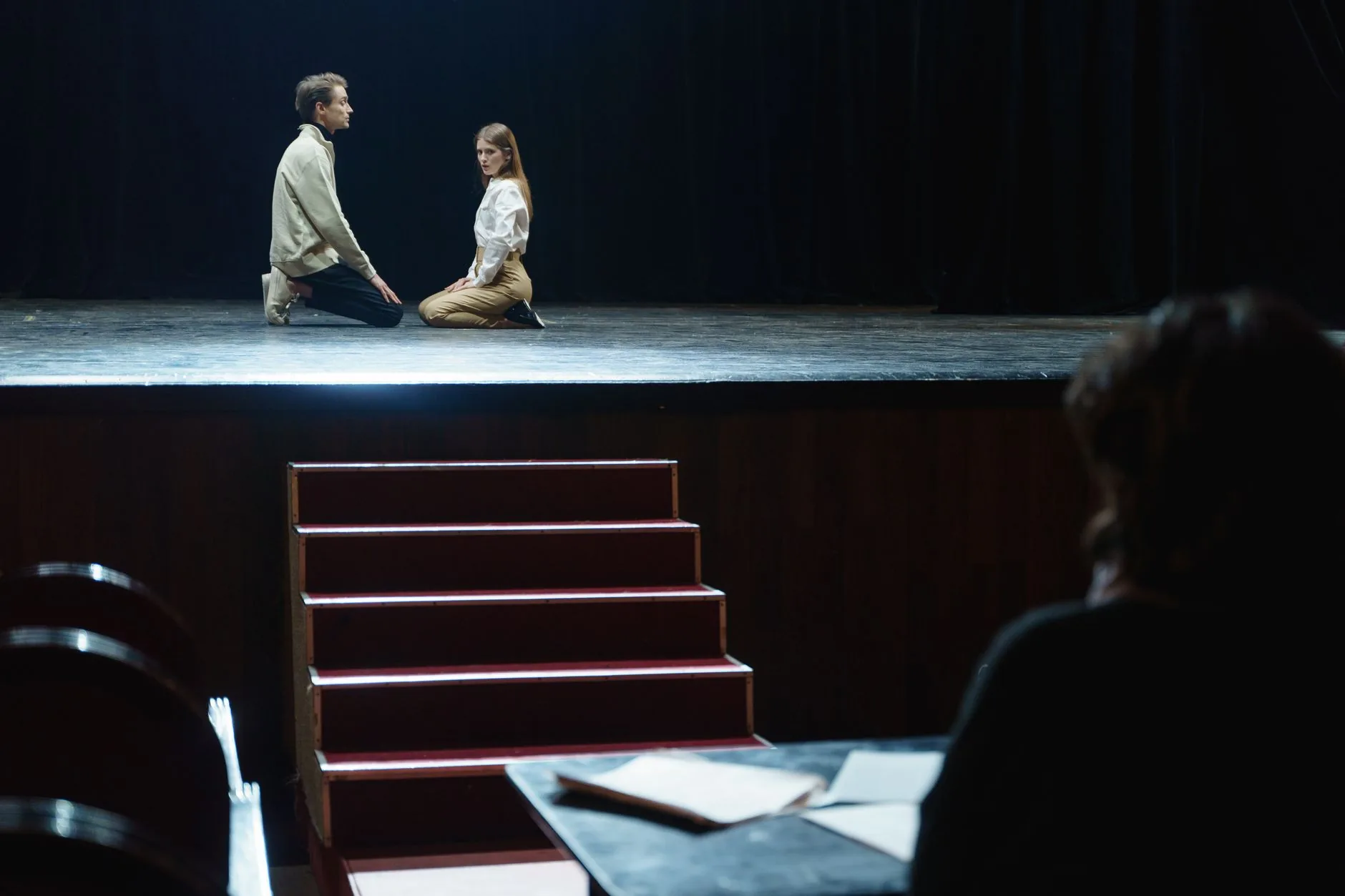
The arts and entertainment encompass a wide range of creative expressions designed to engage, inspire, and entertain audiences.
These forms of expression include visual arts, performing arts, literature, and media production, each contributing uniquely to cultural and social experiences.
What are 5 examples of entertainment?
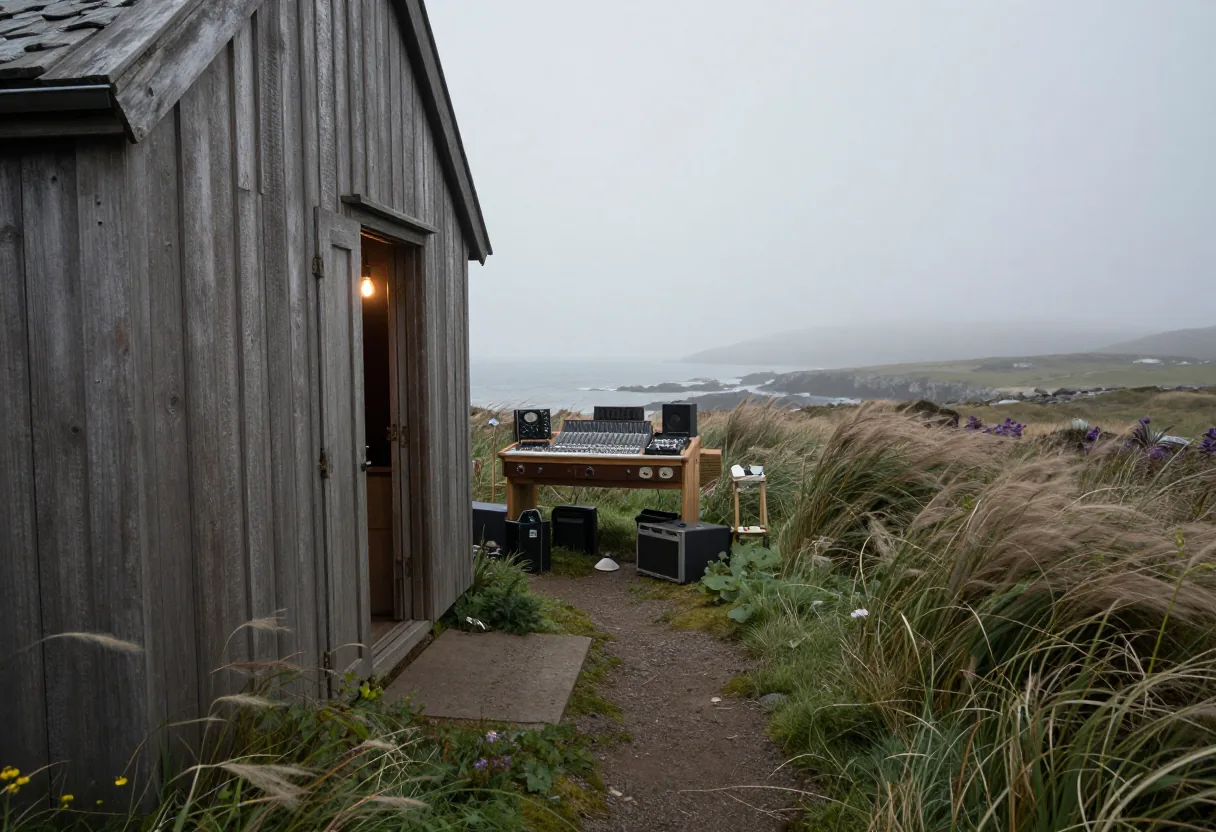
Five prominent examples of entertainment include films, music concerts, theater performances, video games, and digital art installations.
These examples span various media and formats, showcasing the diversity within the entertainment industry.
What is the meaning of arts and entertainment?
The meaning of arts and entertainment lies in their ability to evoke emotions, convey messages, and provide enjoyment through creative expression.
Arts and entertainment serve as a reflection of society, cultural values, and individual experiences, making them essential components of human interaction and communication.
How does Islands Remix: Visual Arts and Media Production blend traditional and contemporary practices?
Islands Remix merges traditional visual arts techniques with modern media production tools to create innovative, interactive experiences.
Artists use digital platforms to enhance traditional art forms, such as painting and sculpture, with elements like augmented reality and virtual reality.
For instance, the teamLab collective in Tokyo creates immersive digital environments where visitors can interact with light and sound installations. Their work, like the “Borderless” exhibition, blurs the lines between physical and digital art, offering a unique sensory experience.
Similarly, Refik Anadol uses machine learning algorithms to transform data into mesmerizing visual art installations. His work, such as “Machine Hallucination,” combines traditional artistic principles with cutting-edge technology to create dynamic, ever-changing art pieces.
Integrating traditional art practices with contemporary media technologies, these artists exemplify how Islands Remix fosters a new era of creativity.
What roles do arts and entertainment artists play in film and media?
Arts and entertainment artists play crucial roles in film and media, contributing to various aspects of production, from concept development to final execution.
Directors, producers, cinematographers, animators, and digital artists make up these roles, each bringing unique skills and perspectives to the creative process.
For example, a director like Christopher Nolan combines visual storytelling with innovative film techniques, as seen in his use of IMAX photography in “Dunkirk.” This approach enhances the audience’s immersion and engagement with the film.
Similarly, animators like Glen Keane, known for his work on Disney classics such as “The Little Mermaid” and “Beauty and the Beast,” use digital tools to bring characters to life with intricate detail and emotional depth.
Artists demonstrate how the fusion of traditional artistry and modern technology enriches the film and media landscape.
How do arts and entertainment networks support the industry?
Arts and entertainment networks provide essential support to the industry by facilitating collaboration, distribution, and promotion of creative works.
Online platforms, industry associations, and educational institutions that make up these networks offer resources and opportunities for artists and creators.
This network fosters creativity and innovation within the circus arts community. For instance, the Gregangelo's Velocity Circus serves as a hub for circus arts and entertainment, hosting events and workshops that bring together artists and enthusiasts.
The center’s photo gallery provides a platform for visual artists to display their work and connect with a wider audience. Similarly, the Milander Center for Arts and Entertainment offers a diverse range of programs and exhibitions that showcase emerging and established artists.
Arts and entertainment industry growth relies on the vital role played by these networks in nurturing talent.
What are the key components of Arts and Entertainment Management?
Arts and Entertainment Management involves overseeing the business aspects of creative industries, including planning, marketing, and financial management.
Key components include strategic planning, budgeting, event management, and audience engagement.
This involves working with artists, sponsors, and venue managers to create a cohesive and memorable experience for attendees. For example, a festival director must coordinate logistics, secure funding, and promote the event to ensure its success.
Effective management ensures the smooth operation of artistic ventures and enhances their sustainability. Similarly, a theater manager handles day-to-day operations, including ticket sales, staffing, and marketing campaigns.
What are the current trends in the arts and entertainment industry?
Current trends in the arts and entertainment industry include the rise of virtual reality experiences, the integration of artificial intelligence in creative processes, and the increasing popularity of interactive art installations.
These trends reflect the industry’s continuous evolution and adaptation to new technologies and audience preferences.
For instance, virtual reality (VR) has gained significant traction in the arts, with exhibitions like “The Night Café” by teamLab offering immersive experiences that transport viewers into digitally rendered environments.
Artificial intelligence (AI) is also making waves in the creative sphere, with tools like DeepDream and AIVA generating unique artwork and compositions. These advancements open new avenues for artistic expression and collaboration.
Additionally, interactive art installations, such as those by Rafael Lozano-Hemmer, engage audiences through participatory experiences that respond to their actions and presence. These installations blur the boundaries between artist and viewer, creating dynamic and inclusive art forms.
How can one pursue a career in arts and entertainment jobs?
Pursuing a career in arts and entertainment jobs requires a combination of education, skill development, and industry experience.
Aspiring professionals should explore relevant educational programs, gain hands-on experience through internships, and build a strong portfolio to showcase their talents.
Graduates of these programs often secure positions in film production, animation, and digital art. For example, the New York Film Academy offers programs in filmmaking, acting, and digital media, providing students with the technical and creative skills needed to succeed in the industry.
Networking with industry professionals and participating in internships can also enhance career prospects. Similarly, the School of Visual Arts in New York offers specialized courses in illustration, animation, and digital art, preparing students for careers in various creative fields.
Building a strong portfolio is crucial for showcasing one’s abilities and attracting potential employers or clients. Regularly updating the portfolio with new work and seeking feedback from mentors can help aspiring artists refine their skills and stand out in a competitive market.
What are the future prospects for the arts and entertainment industry?
Technological advancements and evolving audience preferences are driving promising future prospects for the arts and entertainment industry.
Emerging technologies like virtual reality, augmented reality, and artificial intelligence are expected to revolutionize the way art is created, experienced, and distributed.
VR concerts, like those organized by Wave XR, allow audiences to enjoy live performances from the comfort of their homes, creating a new dimension of interactive entertainment. For example, virtual reality (VR) and augmented reality (AR) are poised to transform the entertainment landscape by offering immersive experiences that blur the lines between the physical and digital worlds.
Artificial intelligence (AI) is also expected to play a significant role in the future of the arts. AI-powered tools can assist artists in generating new ideas, creating complex designs, and even composing music. For instance, the AI music platform AIVA can generate original compositions based on user input, offering a new way for musicians to collaborate with technology.
Additionally, the growing demand for personalized and interactive experiences is likely to drive innovation in the arts and entertainment sector. Artists and creators who embrace these trends and leverage new technologies will be well-positioned to thrive in the evolving industry landscape.
In my experience, keeping up with the latest technological advancements and continuously improving one’s skills are crucial for success in the arts and entertainment industry. Welcoming change and trying new creative paths can uncover exciting opportunities for artists and creators.
| Arts and Entertainment Category | Key Characteristics | Examples |
|---|---|---|
| Visual Arts | Creates static or dynamic visual content | Painting, Sculpture, Digital Art |
| Performing Arts | Involves live performances and audience interaction | Theater, Dance, Music |
| Literature | Expressive writing and storytelling | Novels, Poetry, Screenplays |
| Media Production | Creation and distribution of multimedia content | Film, Television, Video Games |
| Arts and Entertainment Management Role | Key Responsibilities | Required Skills |
|---|---|---|
| Festival Director | Planning and executing festivals and events | Project Management, Budgeting, Marketing |
| Theater Manager | Overseeing day-to-day operations of theaters | Customer Service, Financial Management, Staffing |
| Event Coordinator | Organizing and managing events and performances | Logistics, Communication, Problem-Solving |
| Arts Administrator | Managing administrative tasks for arts organizations | Organization, Fundraising, Public Relations |
To succeed in the arts and entertainment industry, aspiring professionals should focus on developing a strong skill set, gaining relevant experience, and staying up-to-date with industry trends. Using technological advancements and trying new creative avenues can open up exciting opportunities and contribute to a fulfilling career in this dynamic field.
Frequently asked questions
How does Islands Remix integrate diverse artistic voices?
Islands Remix prioritizes equitable representation by inviting artists from underrepresented communities. The 2023 iteration featured 40% artists of color and 30% women, ensuring varied perspectives. Curators actively seek out marginalized voices, fostering an inclusive environment that challenges traditional art narratives.
What role do digital platforms play in Islands Remix?
Digital platforms democratize access. In 2022, virtual galleries drew 1.2 million viewers globally. Real-time collaborations between artists and audiences via live streams and interactive installations bridge geographical gaps, making art more accessible than ever.
How does media production amplify the impact of Islands Remix?
High-definition documentaries and social media campaigns capture the festival's energy. The 2021 documentary, viewed 500,000 times on YouTube, showcased behind-the-scenes processes, artist interviews, and audience reactions, extending the festival's reach beyond physical attendance.
What strategies ensure sustainability in Islands Remix?
Sustainability initiatives include using recycled materials for installations and partnering with eco-conscious brands. The 2020 festival reduced carbon footprint by 30% through solar-powered stages and local sourcing, proving art can thrive without environmental compromise.
Related Reading
- Visual Arts Artist: Roles in Film and Media
- Milander Center for Arts and Entertainment: Photo Gallery
- Visual Artwork: Creation and Digital Production
See also: Gregangelo’s Velocity Circus Arts and Entertainment: Event Photos.