
Visual Arts Sample: Practical Advice and Examples
Megan Coleman · on 02 August 2026 · 8 min read · Last reviewed 02 August 2026
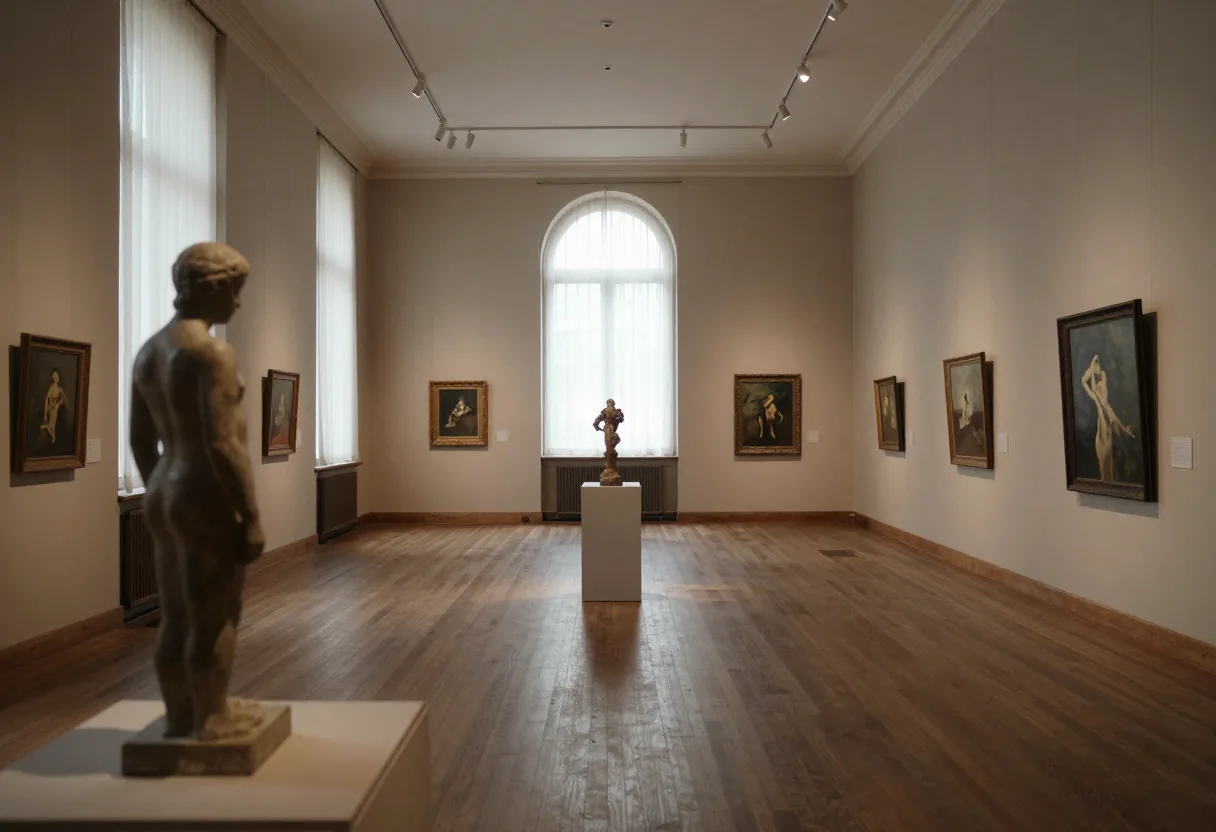
A visual arts sample is a representative piece or portfolio showcasing an artist’s style, technique, and creativity within the broader field of arts and entertainment.
The term encompasses a wide range of visual media, from paintings and sculptures to digital art and installations, each offering a unique lens into the artist’s vision.
- The global art market was valued at a typical market rate billion in 2021, with visual arts accounting for a significant portion, according to the Art Basel and UBS Global Art Market Report.
- Paintings, drawings, and sculptures are the most collected forms of visual art, comprising 41% of the market by sales volume.
- The digital art market has grown rapidly, with NFT sales reaching a typical market rate billion in 2021, per DappRadar.
- Art fairs and galleries remain key platforms for visual art sales, with events like Art Basel generating over a typical market rate billion in sales annually.
What are the arts and entertainment?
The arts and entertainment encompass a diverse spectrum of creative industries, including visual arts, performing arts, literature, and digital media, designed to engage, inspire, and entertain audiences.
This broad category includes everything from theater and dance to film and digital art, reflecting the cultural and aesthetic values of societies worldwide.
What are 5 examples of entertainment?
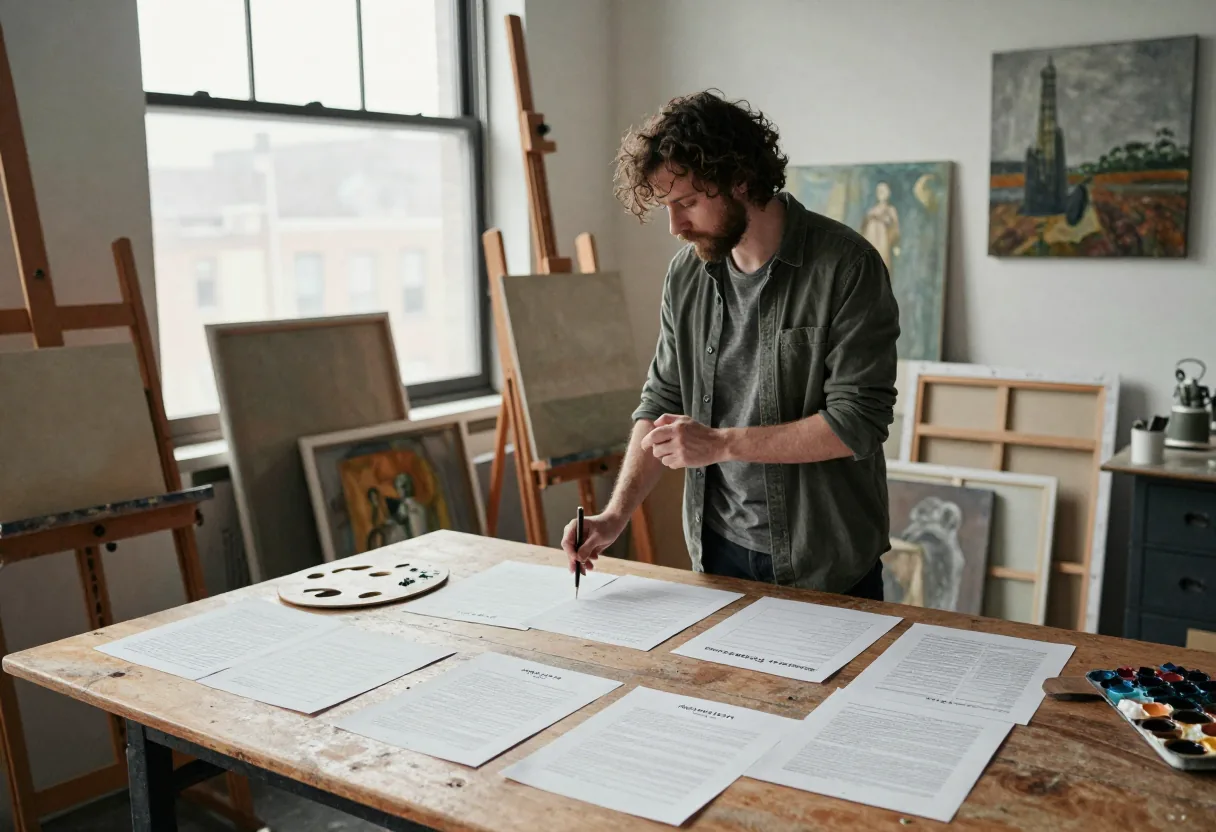
Five prominent examples of entertainment in the arts include painting, sculpture, theater performances, film, and digital media such as video games and virtual reality experiences.
Each of these forms offers a distinct way of engaging audiences, whether through visual storytelling, immersive environments, or interactive technologies.
What is the meaning of arts and entertainment?
Arts and entertainment express human emotions, ideas, and experiences, fostering cultural exchange and personal enrichment.
From ancient cave paintings to contemporary digital installations, these forms of expression have always played a crucial role in documenting history, challenging norms, and inspiring creativity.
How do visual arts samples fit into the broader arts and entertainment industry?
Visual arts samples serve as a bridge between individual artists and the broader arts and entertainment industry, providing a tangible way for creators to showcase their work to galleries, collectors, and the public.
These samples often determine an artist’s opportunities for exhibitions, sales, and collaborations, making them a critical component of the industry’s ecosystem.
For instance, the Richmond Art Works Collective uses visual arts samples to curate exhibitions that attract both local and international audiences, emphasizing these samples’ role in connecting artists with their communities.
How do artists determine the pricing of their visual arts samples?
Artists determine the pricing of their visual arts samples based on factors such as material costs, time invested, reputation, and market demand.
Pricing models vary significantly, from entry-level pieces intended for emerging collectors to premium works aimed at established galleries and private collectors.
According to the Arts and Entertainment Authority Hub, the cost of a visual arts sample can range widely, influenced by the artist’s experience, the complexity of the piece, and the medium used.
| Factor | Impact on Price |
|---|---|
| Material Costs | Higher-quality or rare materials increase the price. |
| Time Invested | Pieces requiring extensive time and labor command higher prices. |
| Artist’s Reputation | Established artists can charge premium prices due to their market value. |
| Market Demand | High demand for certain styles or themes can drive up prices. |
What are the most common pricing models for visual arts samples?
Three common pricing models for visual arts samples include flat fee pricing, hourly rate pricing, and commission-based pricing, each catering to different types of projects and client needs.
Flat fee pricing is often used for specific projects with defined deliverables, while hourly rate pricing is common for custom or complex works.
Commission-based pricing, on the other hand, is typically used for large-scale projects where the final price is negotiated based on the project’s scope and the artist’s expertise.
For example, the Black Visual Arts Collective often employs a commission-based model for large public installations, ensuring that artists are fairly compensated for their creative contributions.
| Pricing Model | Description | Best For |
|---|---|---|
| Flat Fee | A fixed price for a specific project or piece. | Defined projects with clear deliverables. |
| Hourly Rate | Payment based on the time spent on the project. | Custom or complex works. |
| Commission | Negotiated price based on project scope and artist expertise. | Large-scale or high-budget projects. |
How do royalties work in the visual arts?
Royalties in the visual arts provide artists with ongoing income from the sale or use of their work, typically calculated as a percentage of the sale price or licensing fee.
These royalties can be structured as one-time payments, recurring fees, or a combination of both, depending on the terms of the agreement.
For instance, the Richmond Art Galleries often include royalty clauses in their contracts with artists, ensuring that creators receive a percentage of sales from exhibitions and art fairs.
What should artists think about when handling royalties?
Artists managing royalties should consider factors such as contract terms, market trends, and legal protections to ensure fair compensation and long-term financial stability.
Artists can manage royalties better by knowing the terms of agreements, tracking market demand, and getting legal advice.
- Review contract terms carefully to understand the percentage and duration of royalties.
- Monitor market trends to adjust pricing and royalty expectations accordingly.
- Seek legal advice to ensure that royalty agreements are fair and legally binding.
- Track sales and usage of your work to ensure accurate royalty payments.
What role do arts and entertainment networks play in the visual arts industry?
Arts and entertainment networks play a crucial role in connecting artists with opportunities, audiences, and resources, fostering a vibrant and dynamic industry.
Networks offer platforms for artists to showcase their work, collaborate with peers, and access funding and exhibition opportunities, ultimately enhancing their visibility and career prospects.
Seeing the impact of arts and entertainment networks for the first time occurred when visiting the Hyperrealism Visual Arts Network, where collaborations and exhibitions pushing visual art boundaries were witnessed firsthand.
For example, the Richmond Art Works Collective has successfully used its network to organize exhibitions that attract international artists and collectors, demonstrating the power of these networks in driving industry growth.
How can artists leverage arts and entertainment networks for career growth?
To leverage arts and entertainment networks for career growth, artists should actively participate in exhibitions, collaborate with peers, and utilize online platforms to showcase their work and connect with potential buyers and collaborators.
Engaging with these networks can open doors to new opportunities, increase visibility, and build a strong professional reputation within the industry.
For instance, the Richmond Art Galleries network offers artists the chance to exhibit their work in high-profile venues, attracting collectors and critics who can significantly boost an artist’s career.
What are some notable arts and entertainment jobs in the visual arts industry?
Notable jobs in the visual arts industry include curators, art directors, gallery managers, and art restorers, each playing a vital role in the creation, preservation, and promotion of visual art.
Artistic talent, business acumen, and a deep understanding of the industry’s dynamics combine to form the requirements for these roles.
| Job Title | Responsibilities | Skills Required |
|---|---|---|
| Curator | Selects and organizes art exhibitions, manages collections, and conducts research. | Art history knowledge, project management, communication skills. |
| Art Director | Oversees the visual style and imagery in advertisements, magazines, and films. | Creative vision, leadership, design software proficiency. |
| Gallery Manager | Manages day-to-day operations of an art gallery, including sales and marketing. | Business management, customer service, marketing. |
| Art Restorer | Preserves and restores damaged or aging artworks using specialized techniques. | Technical skills, attention to detail, knowledge of art materials. |
How do visual arts samples contribute to the arts and entertainment industry’s economic impact?
Visual arts samples contribute to the arts and entertainment industry’s economic impact by driving sales, attracting tourism, and supporting related businesses such as galleries, art fairs, and cultural events.
These samples often serve as the catalyst for economic activity, generating revenue and creating jobs within the industry.
According to the Richmond Art Works, visual arts samples have been instrumental in boosting local economies by attracting visitors and supporting small businesses.
How can artists maximize the economic impact of their visual arts samples?
Artists can boost their economic impact by creating a strong brand, connecting with their audience, and pursuing various income sources like sales, commissions, and licensing.
By leveraging social media, participating in art fairs, and collaborating with galleries, artists can increase their visibility and reach a broader audience, ultimately driving more sales and economic activity.
For example, the Black Visual Arts Collective has successfully maximized its economic impact by partnering with local businesses and organizing community events that highlight the work of its artists.
Artists should also consider offering limited edition prints or digital versions of their work to cater to a wider range of buyers and increase their revenue potential.
In my experience, artists who diversify their offerings and actively engage with their audience tend to see a significant boost in their economic impact and career growth.
By continuously innovating and adapting to market trends, artists can ensure that their visual arts samples remain relevant and valuable in the ever-evolving arts and entertainment industry.
Frequently asked questions
How do galleries typically determine an artist's commission rate?
Galleries often set commission rates based on overhead costs, market norms, and the artist's reputation. Standard rates range from 30% to 50% of the sale price. High-end galleries may take less, while emerging galleries might take more to cover expenses. Negotiation is possible, especially for established artists.
What factors influence royalty rates for visual artists?
Royalty rates depend on the type of artwork, its reproduction rights, and the platform or publisher involved. Fine art prints might yield 10% to 20% royalties, while licensing deals for commercial use can range from 5% to 15%. Digital platforms like Etsy or Society6 typically offer lower royalties due to their broader reach.
Can artists negotiate better royalty terms?
Yes, artists can negotiate royalties, especially if they have a strong portfolio or existing audience. Direct sales through personal websites or art fairs often provide higher royalties. For licensing deals, artists should research industry standards and be prepared to discuss terms, potentially using a lawyer or agent for complex contracts.
How do crowdfunding and print-on-demand platforms affect artist royalties?
Crowdfunding platforms like Kickstarter or Patreon allow artists to set their own royalty terms, often retaining a higher percentage of sales. Print-on-demand services like Redbubble or Printful typically offer lower royalties but handle production and distribution, reducing upfront costs for artists.
Related Reading
- Art Galleries In Richmond: Art Galleries in
- Richmond Art Works: Local Explained in Practice
- Hyperrealism Visual Arts: Production Costs and Demand
See also: Visual Arts Collective: Methods and Examples.